
Schematic maps
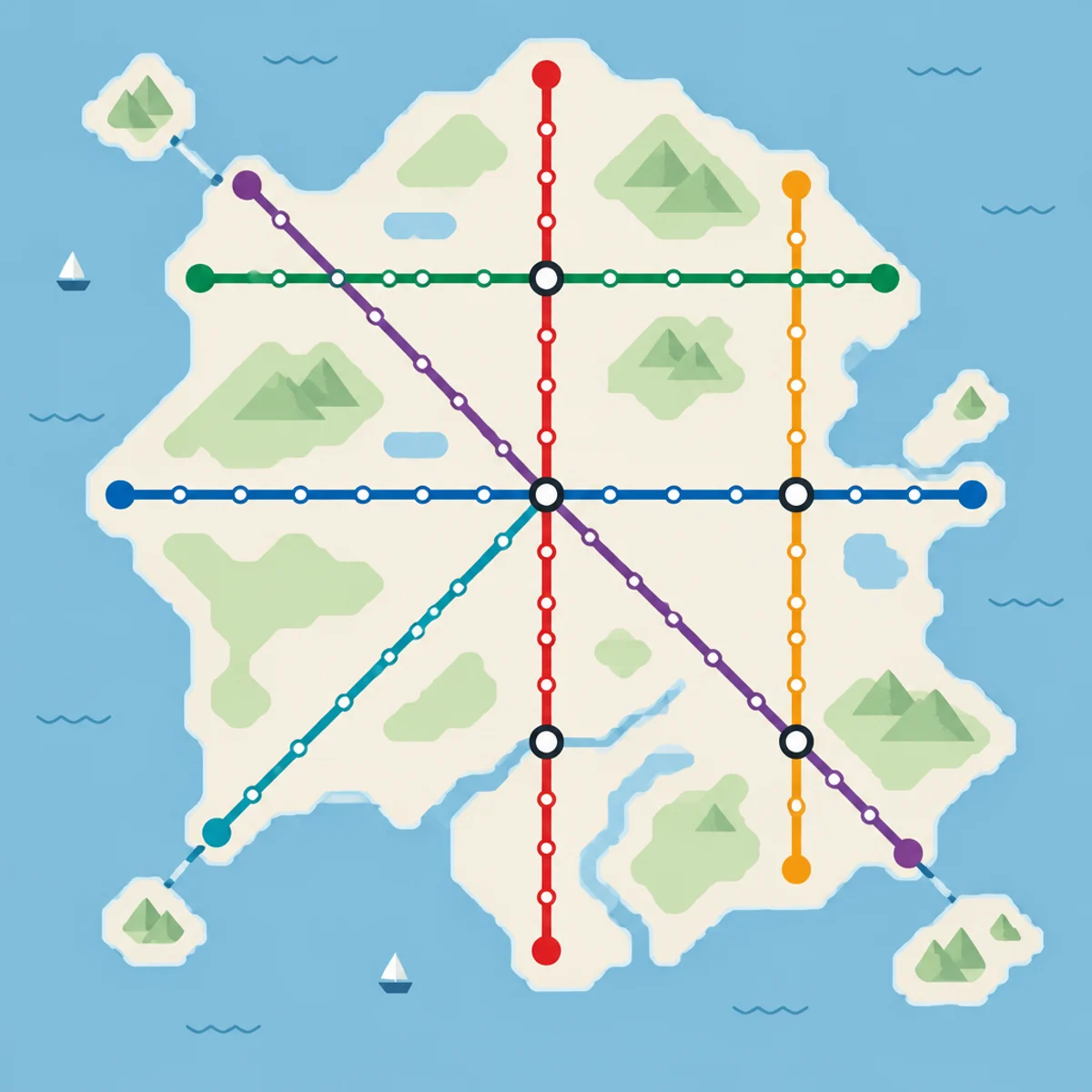
Beck-style schematic transit mapping
Simplified routes and organized intersections make the network readable.
Information & scientific illustration
Match the visual approach to what you need to explain: a relationship, a quantity or a specimen.
5 visual directions · Generated examples
Schematic maps
Simplified routes and organized intersections make the network readable.
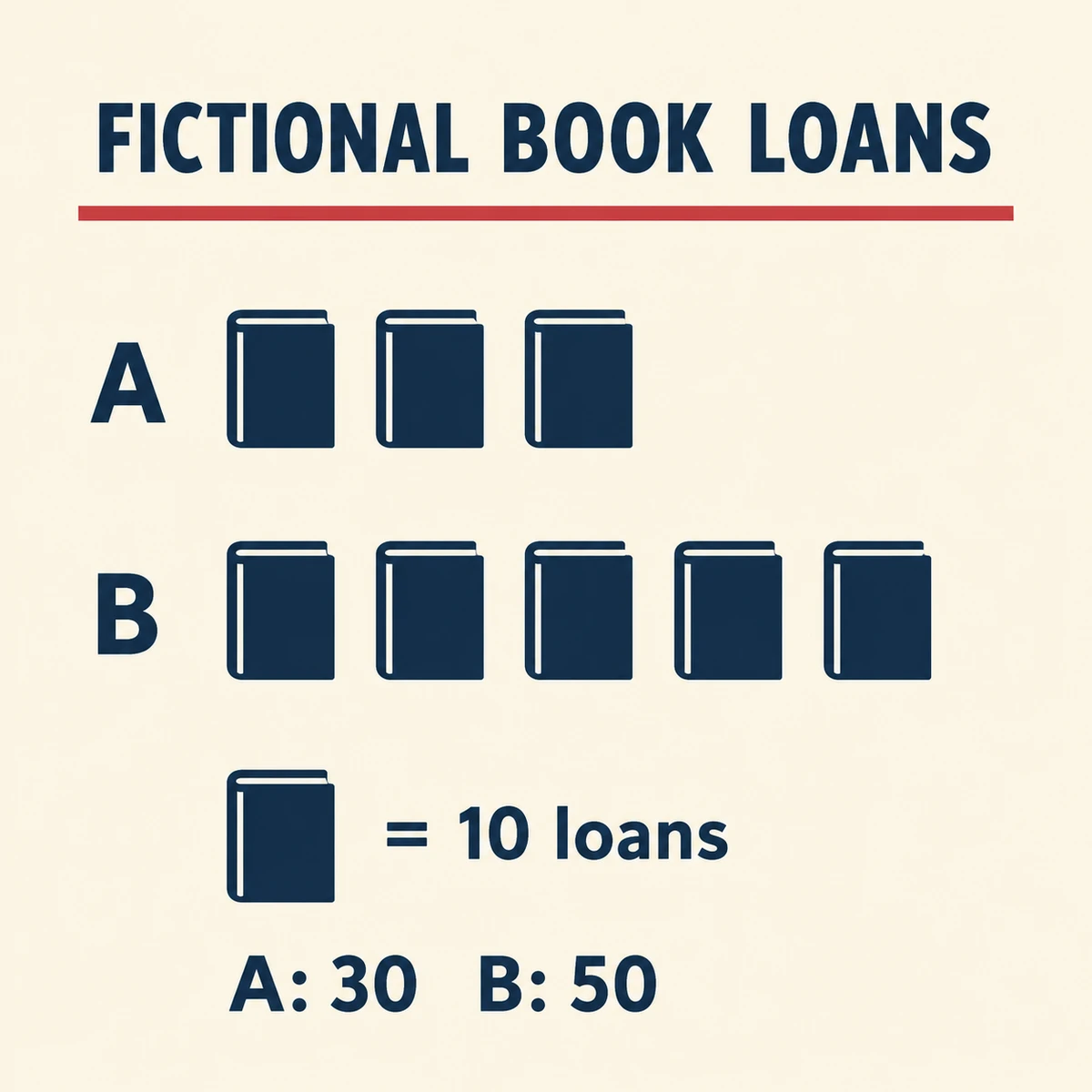
Visual quantities
A fictional counted comparison demonstrates repeated-unit organization.
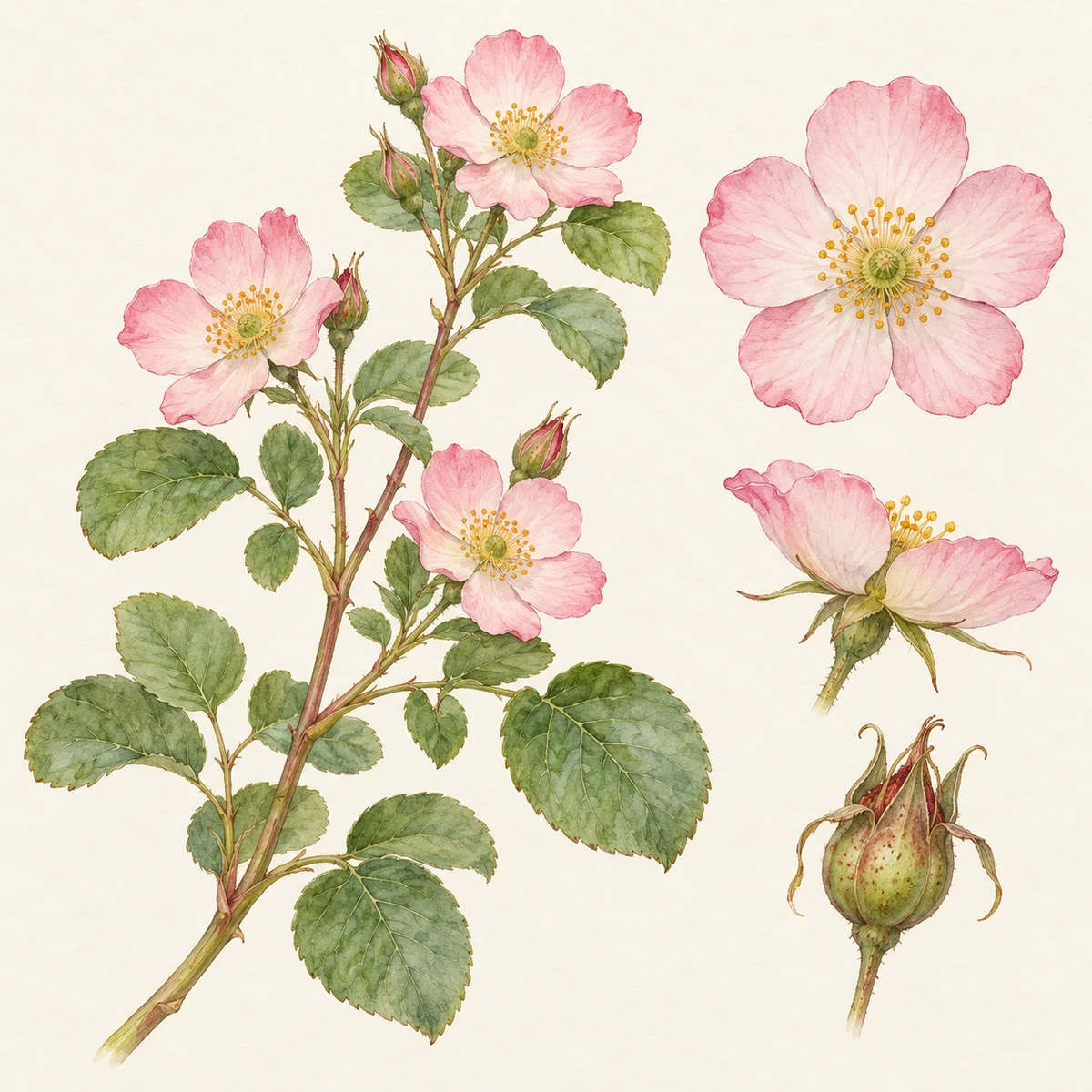
Natural-history illustration
A stem and separated floral details explore a botanical plate layout.
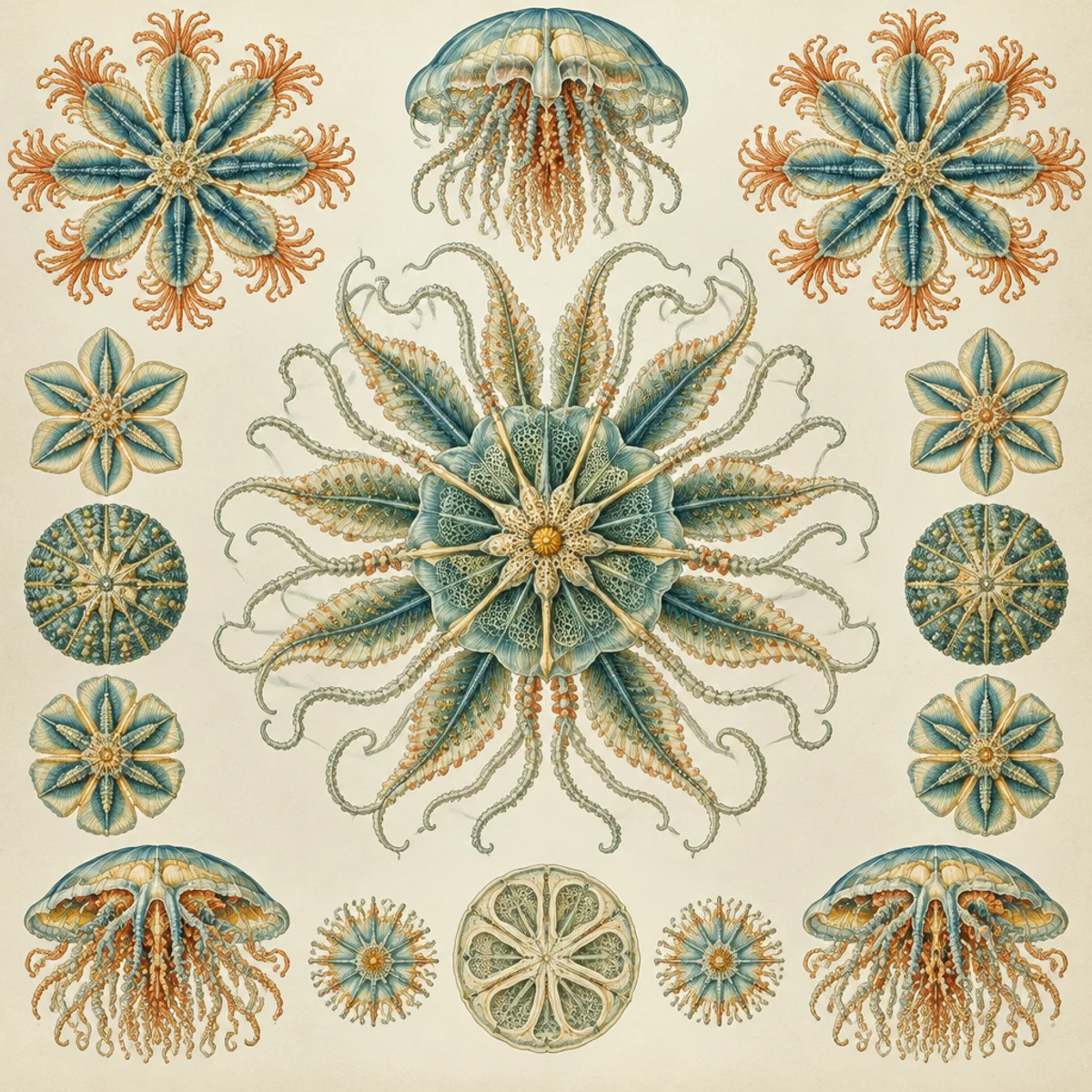
Natural-history illustration
Ornamental natural-history plates with radial symmetry, repeated organism forms, and decorative taxonomic arrangement.
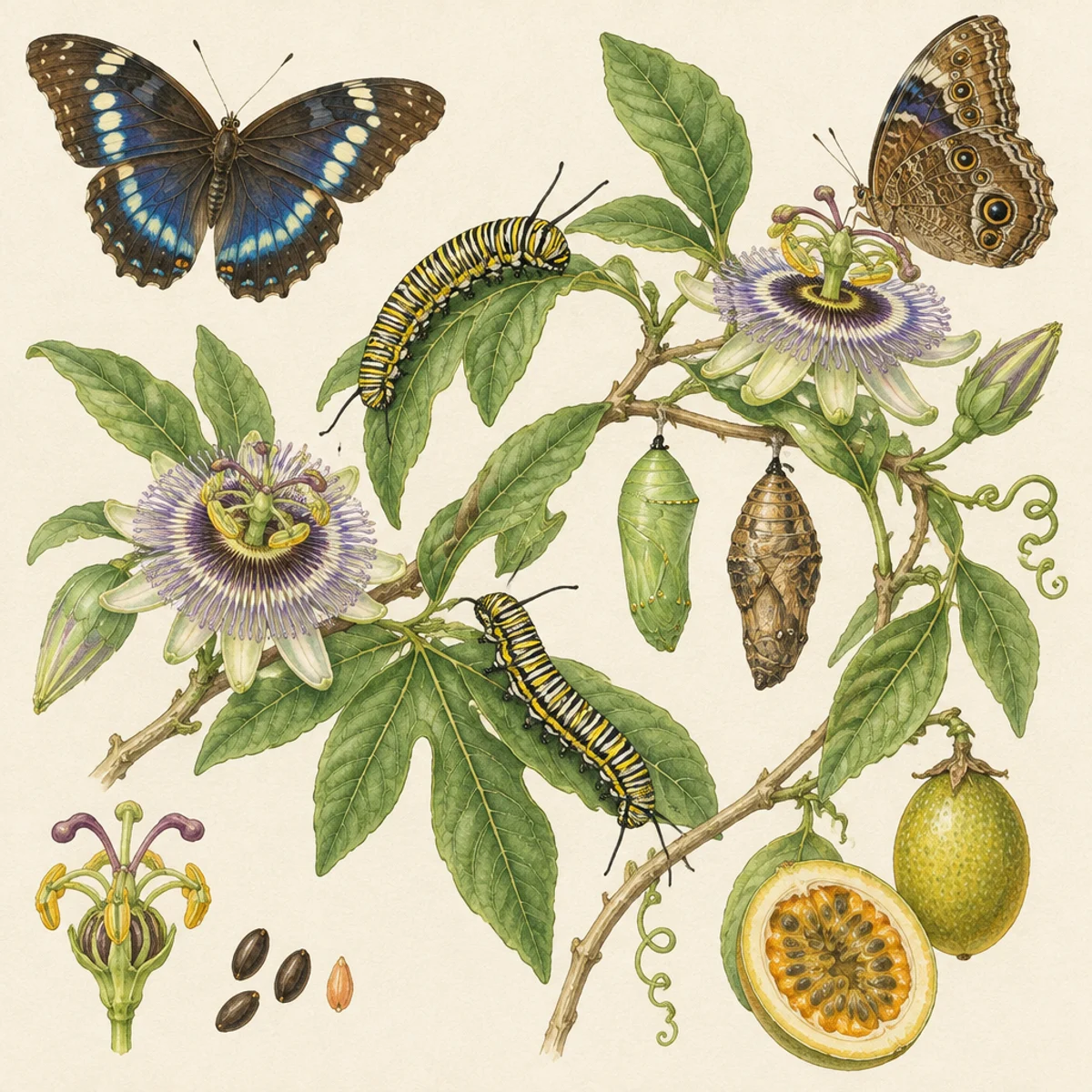
Natural-history illustration
Natural-history illustration uniting host plants with insect life stages in precise watercolor, balanced page staging, and linked ecological relationships.
A schematic transit map prioritizes connections over geographic realism. Isotype uses repeated symbols to communicate quantities. A botanical plate separates a specimen and its details. Decoration alone cannot establish factual accuracy.
Verify the particular labels, counts, anatomy and relationships before using an image to explain facts.