
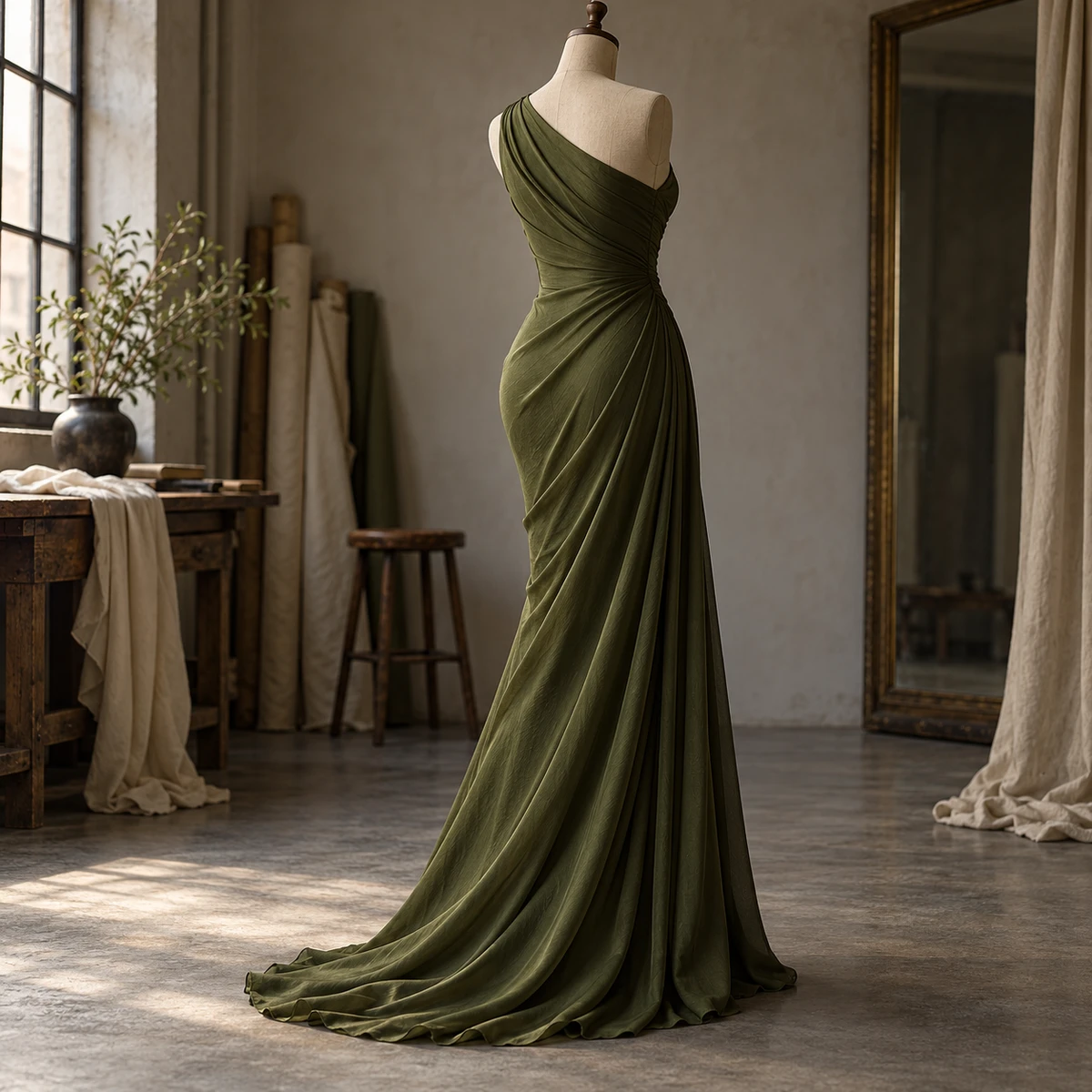
Silhouette & drape
Bias-cut draping
An oblique wrap exposes the diagonal fall and soft folds of the cloth.
Fashion & textiles
Separate garment silhouette from textile surface, then compare the construction cues that create each effect.
16 visual directions · Generated examples
Silhouette & drape
An oblique wrap exposes the diagonal fall and soft folds of the cloth.
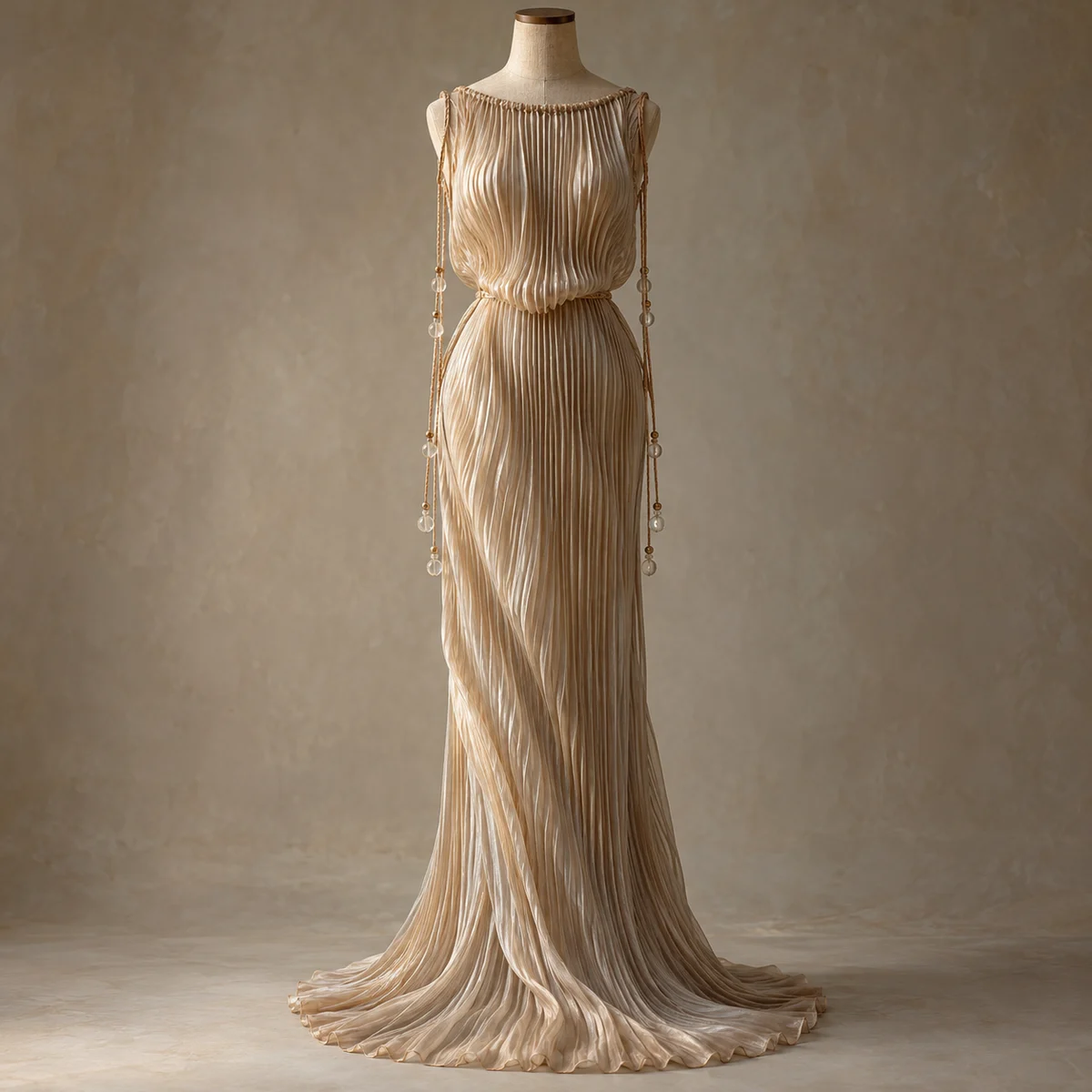
Silhouette & drape
Fine repeated pleats create narrow vertical rhythms across the garment.
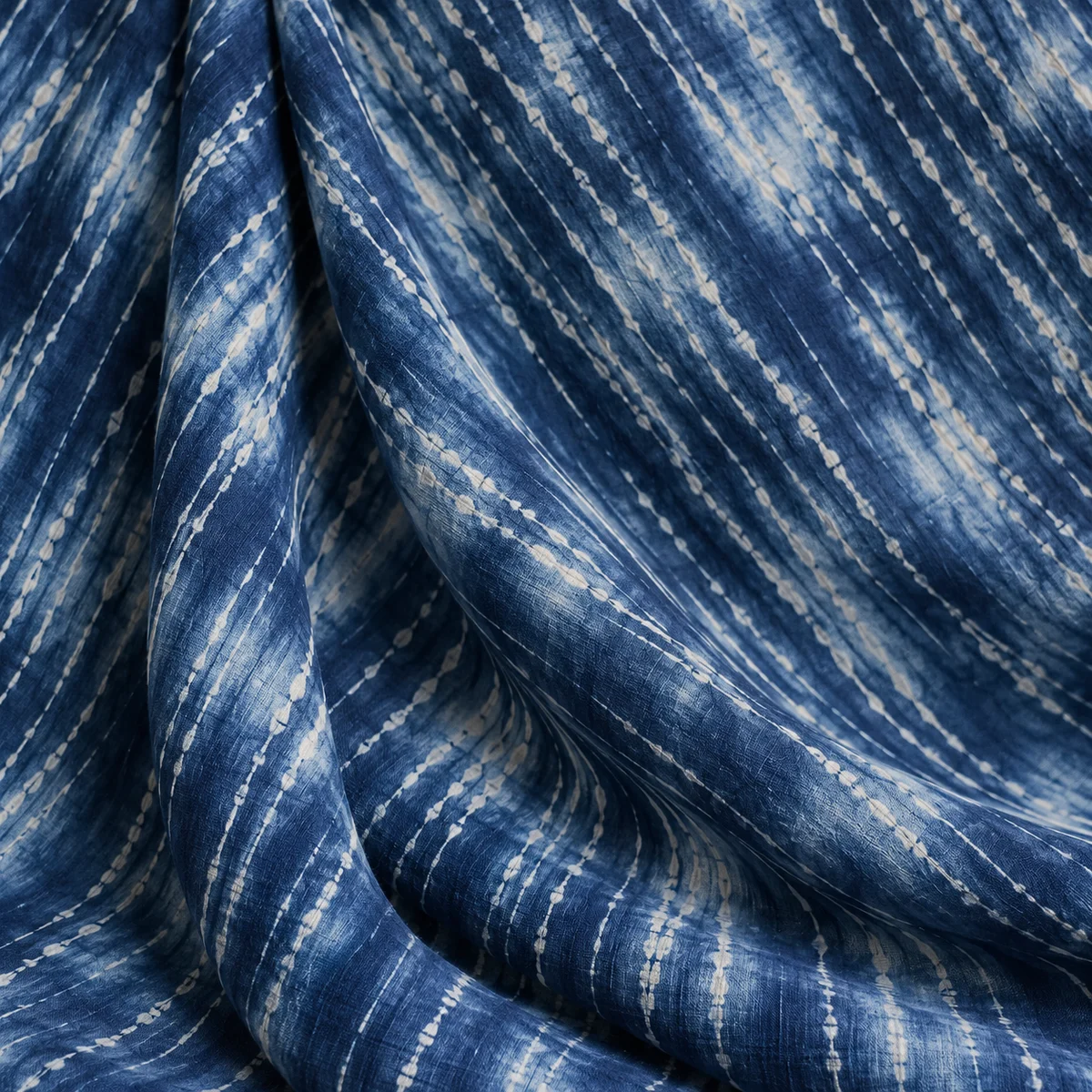
Textile surfaces
Directional resist-dyed marks bring rhythm to the fabric itself.
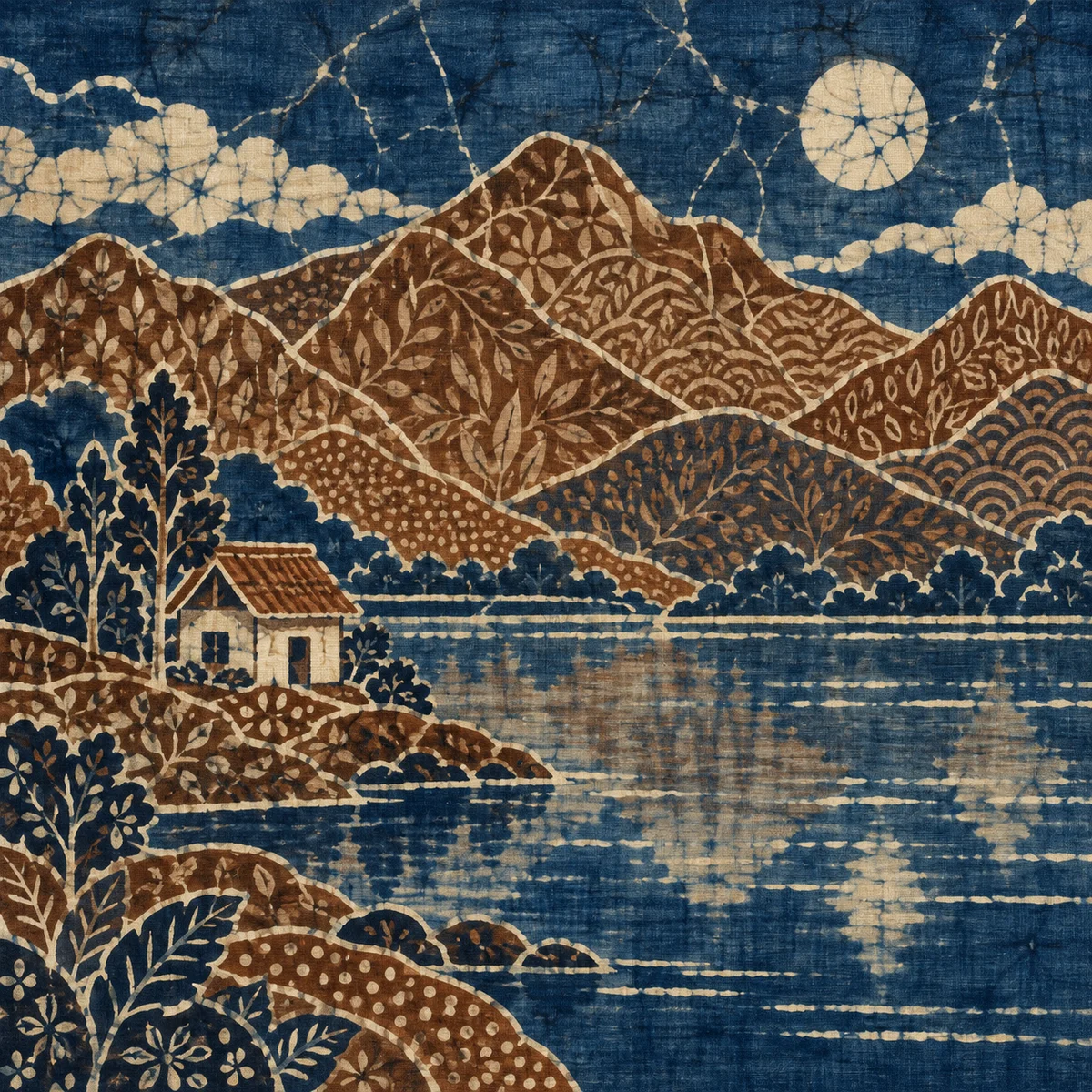
Textile surfaces
Pale resist lines and branching dye crackles weave the scene into patterned cotton.
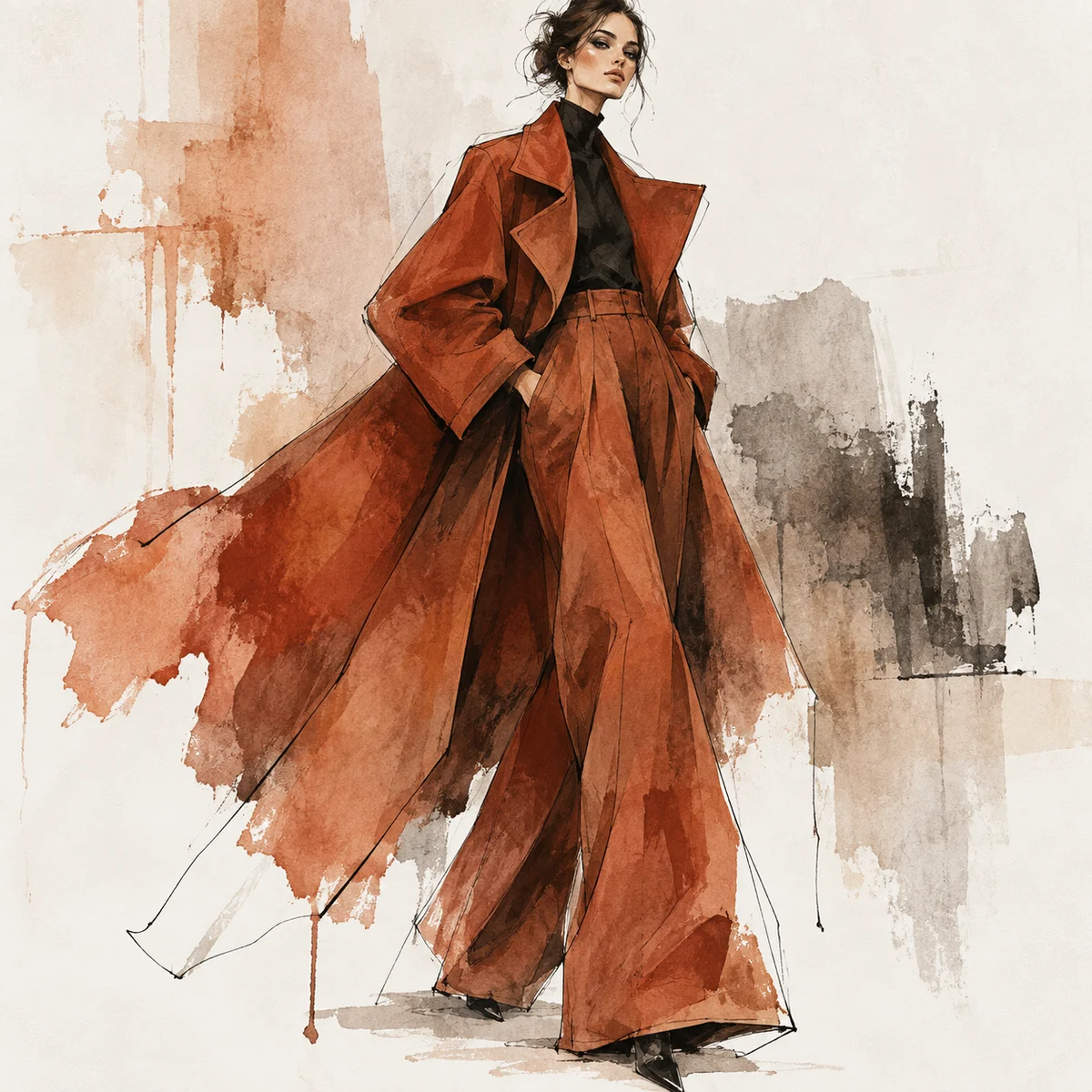
Fashion illustration
Elongated proportions, gestural ink contours, and loose watercolor washes with unfinished edges define this fashion illustration.
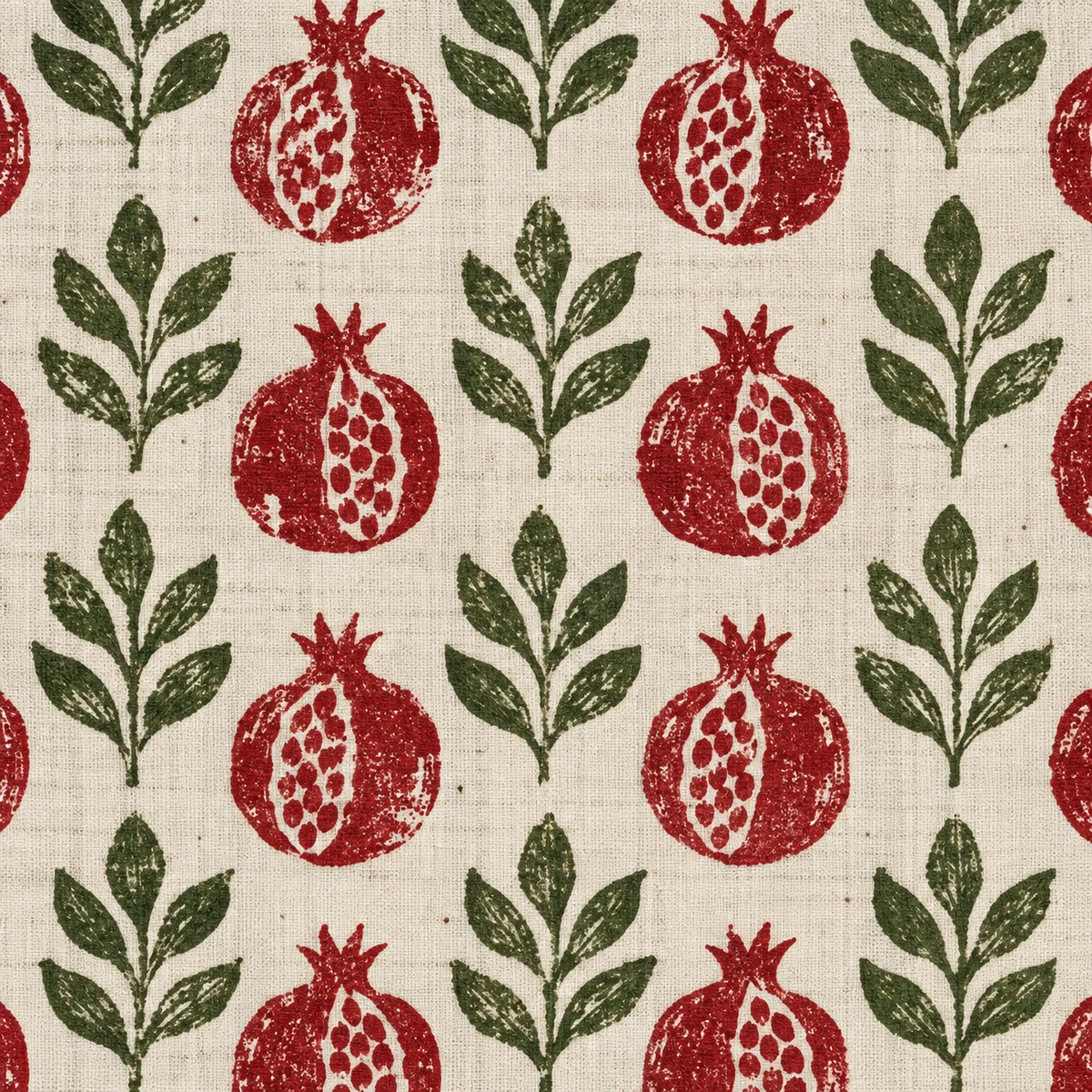
Textile surfaces
Slightly irregular stamped edges, uneven ink density, and repeating motifs on visible natural cotton weave define this block-printed textile design.
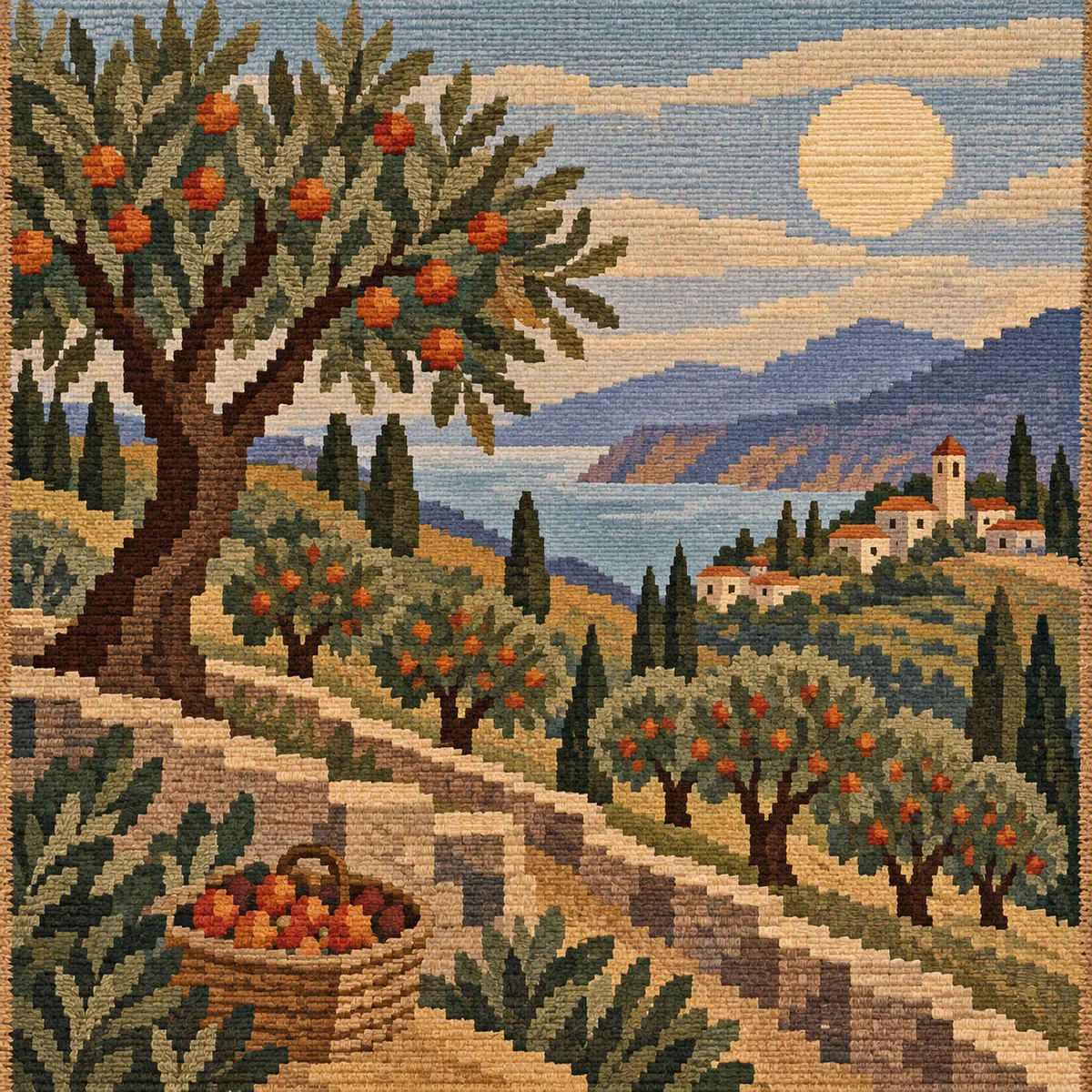
Textile surfaces
Interlaced colored threads, stepped shape boundaries, and simplified broad areas of earthy color define this woven tapestry design.
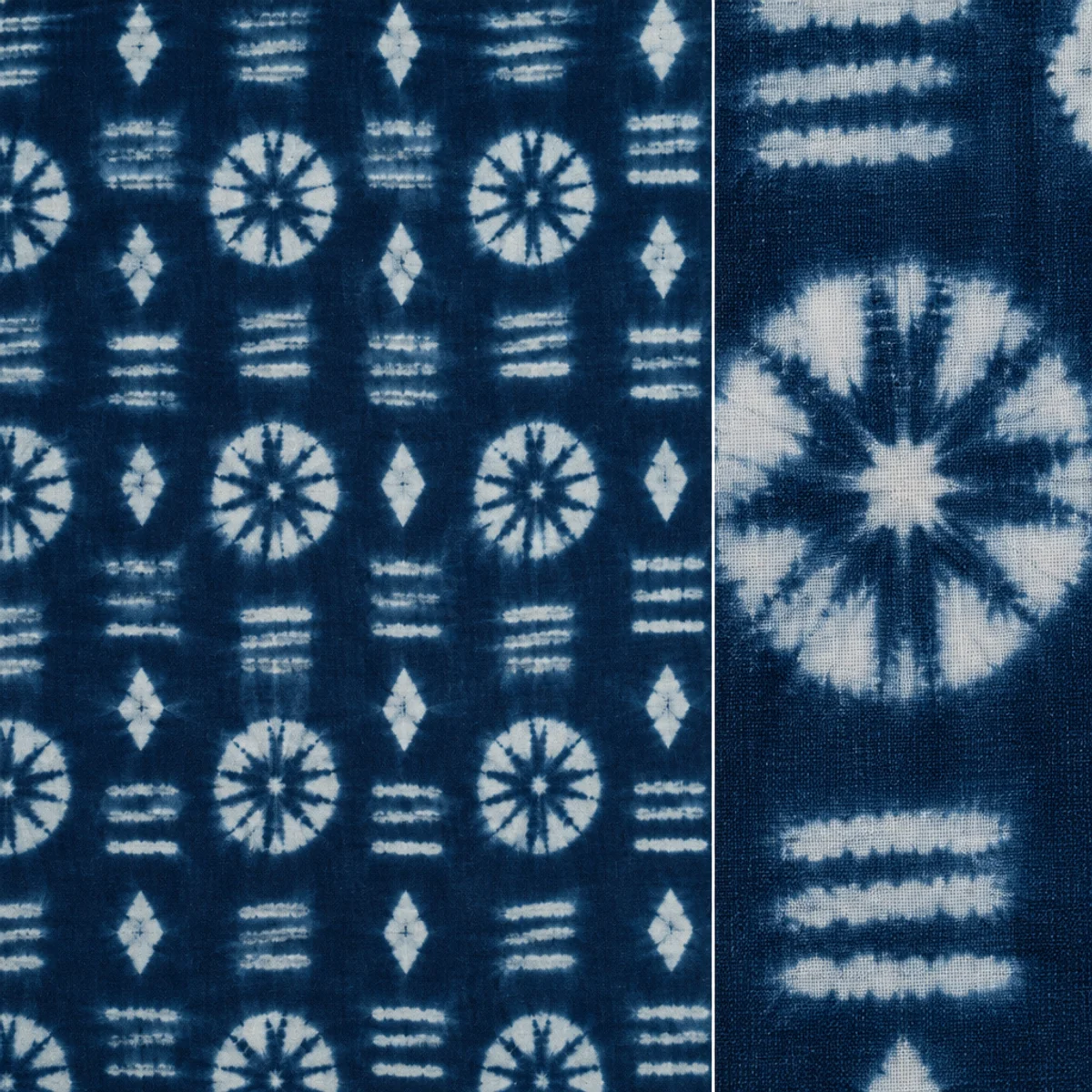
Textile surfaces
Yoruba indigo resist textile with white patterned motifs, hand-applied starch or tie-resist marks, and soft irregular dye edges.
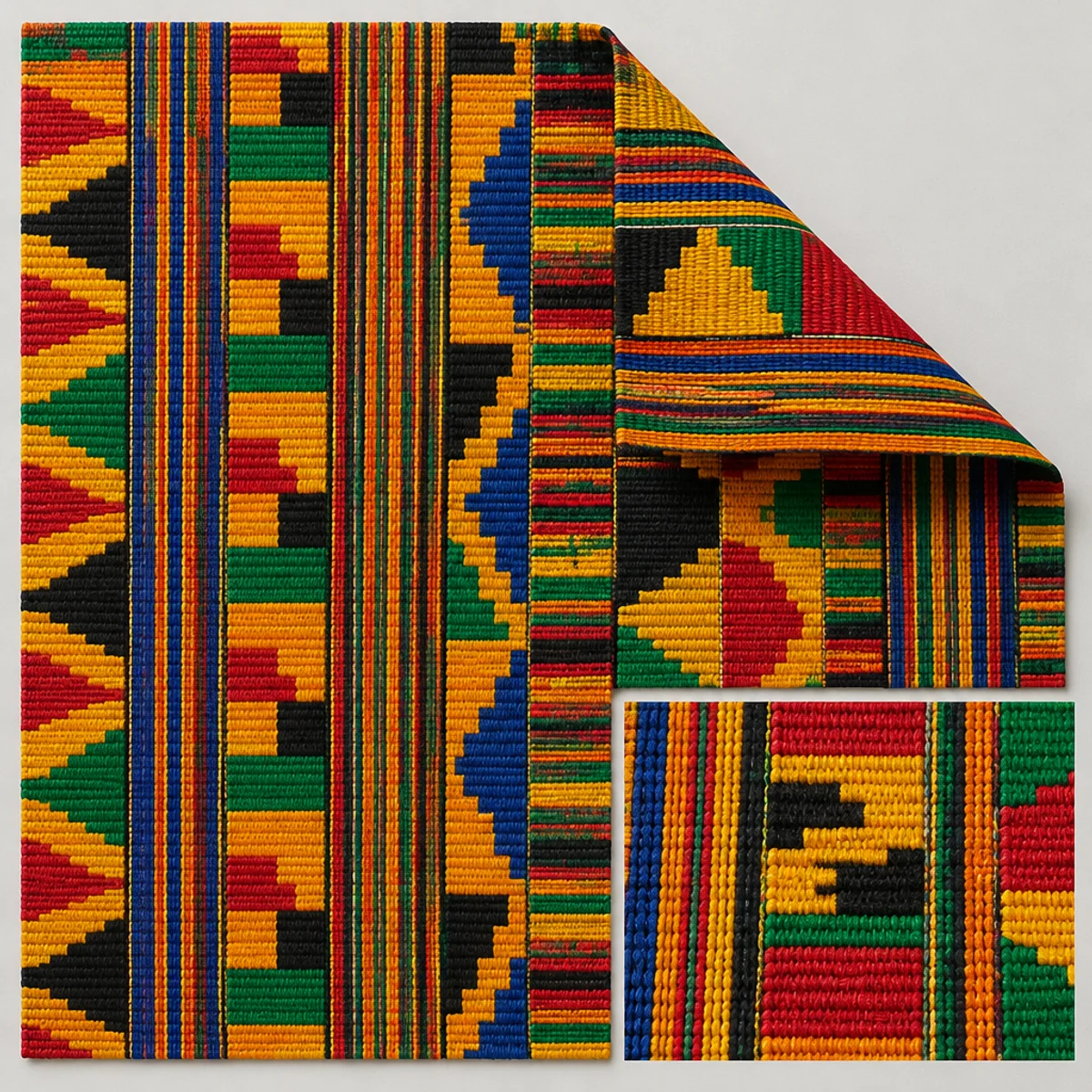
Textile surfaces
Strip-woven Asante textile with alternating warp-face and weft-face pattern zones, vivid geometric color blocks, and precise sewn joins between narrow bands.
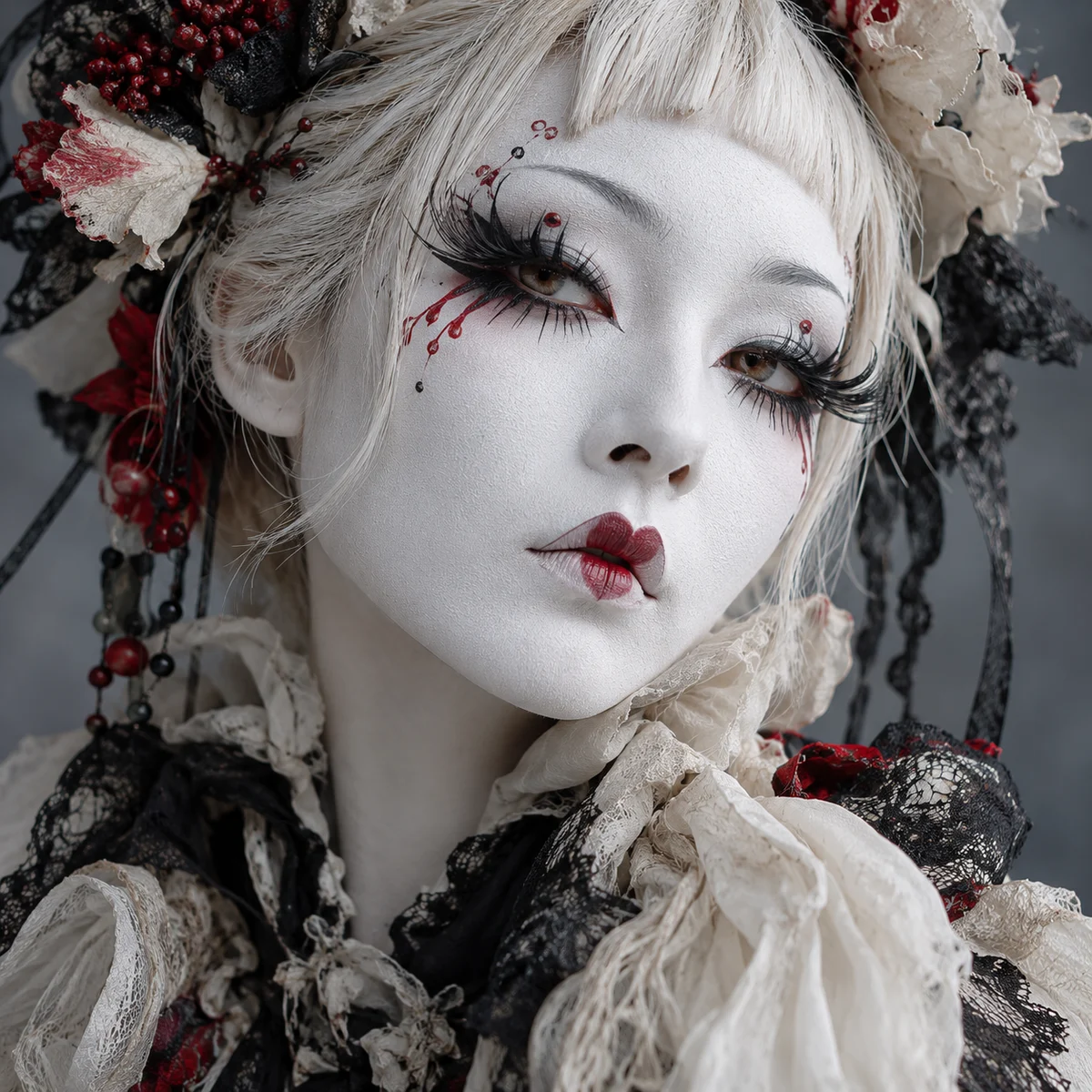
Makeup & performance
Japanese street-fashion makeup uses an opaque white painted face as a canvas for expressive eye graphics, dramatic lashes, and deliberately composed lip shapes; individual interpretations vary widely.
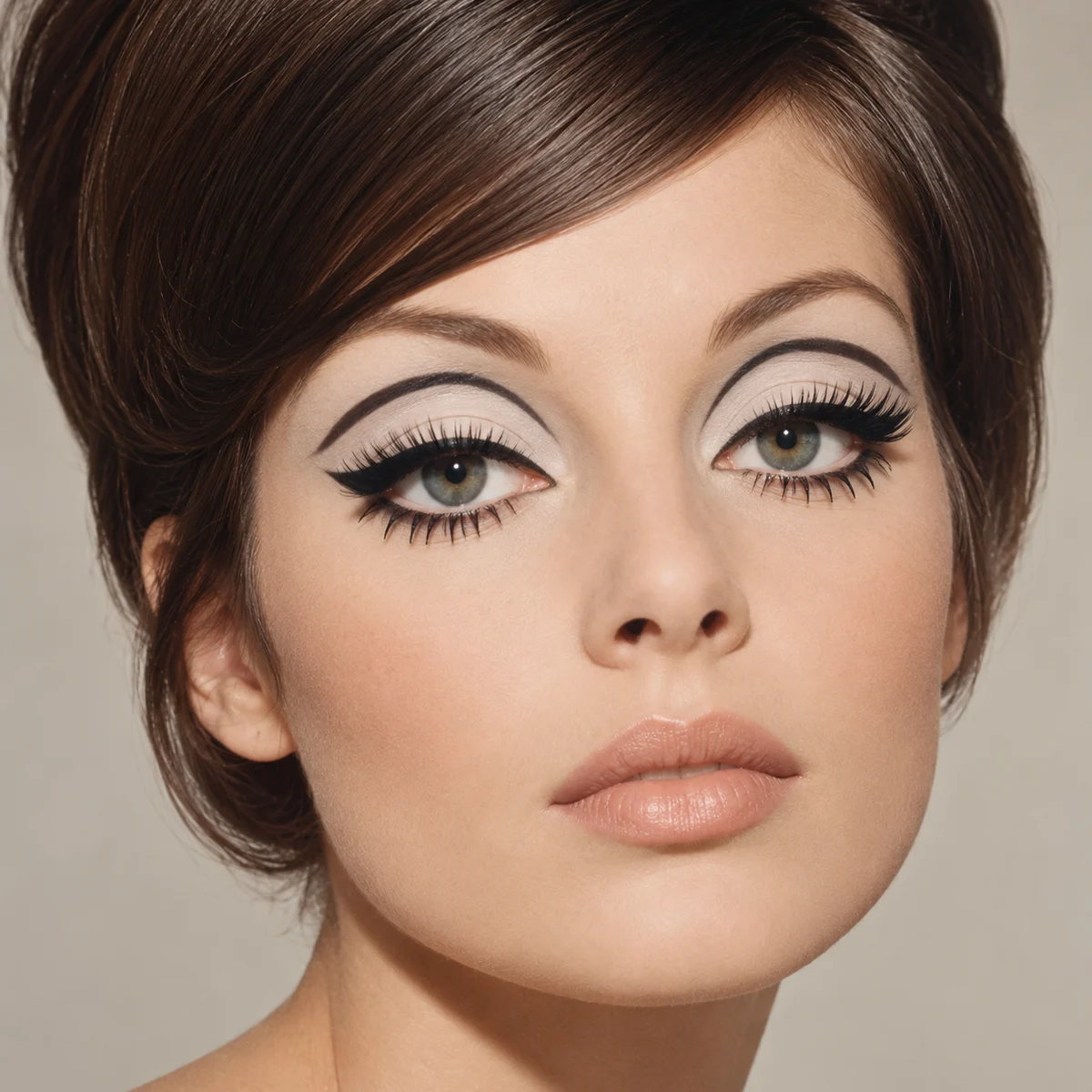
Makeup & performance
1960s Mod eye makeup separates a pale lid from a sharply drawn crease, emphasizing enlarged graphic eyes with prominent upper lashes and defined lower-lash accents.
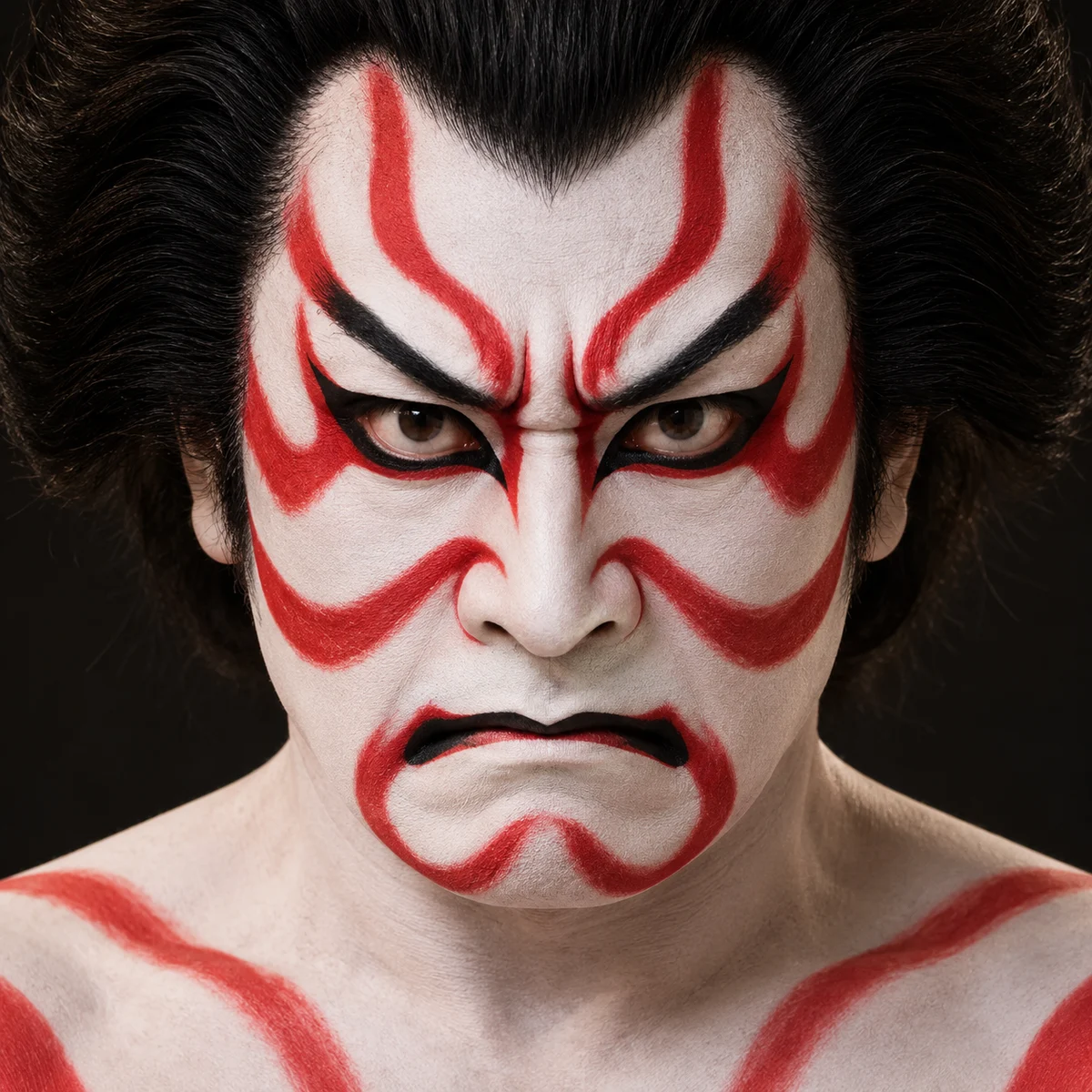
Makeup & performance
Kabuki's expressive makeup exaggerates facial muscle contours with bold coloured lines and softened edges; red kumadori is associated with courageous, forceful aragoto roles.
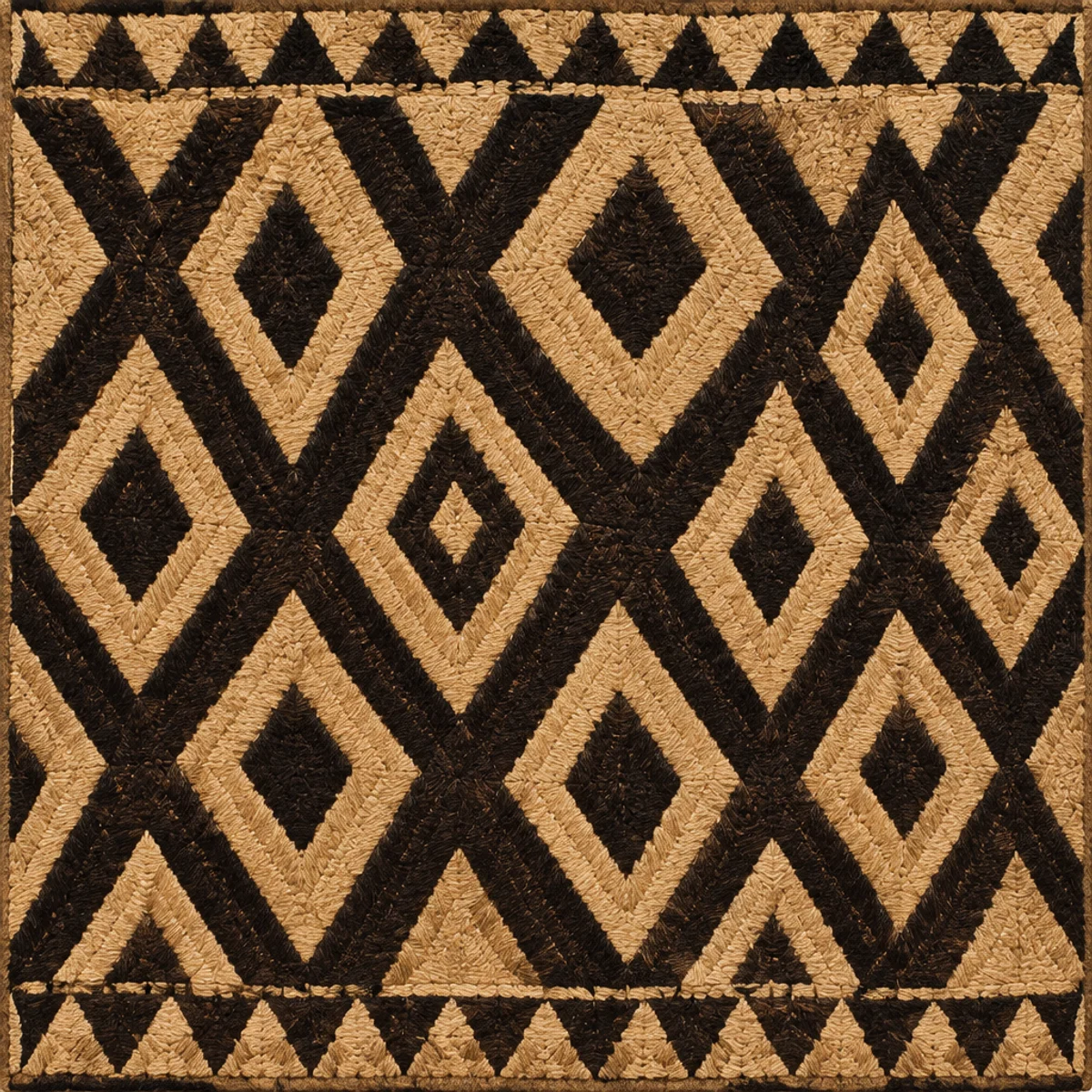
Textile surfaces
Raffia textile work with cut-pile embroidery, irregular geometric rhythms, and natural dark-on-light contrast.
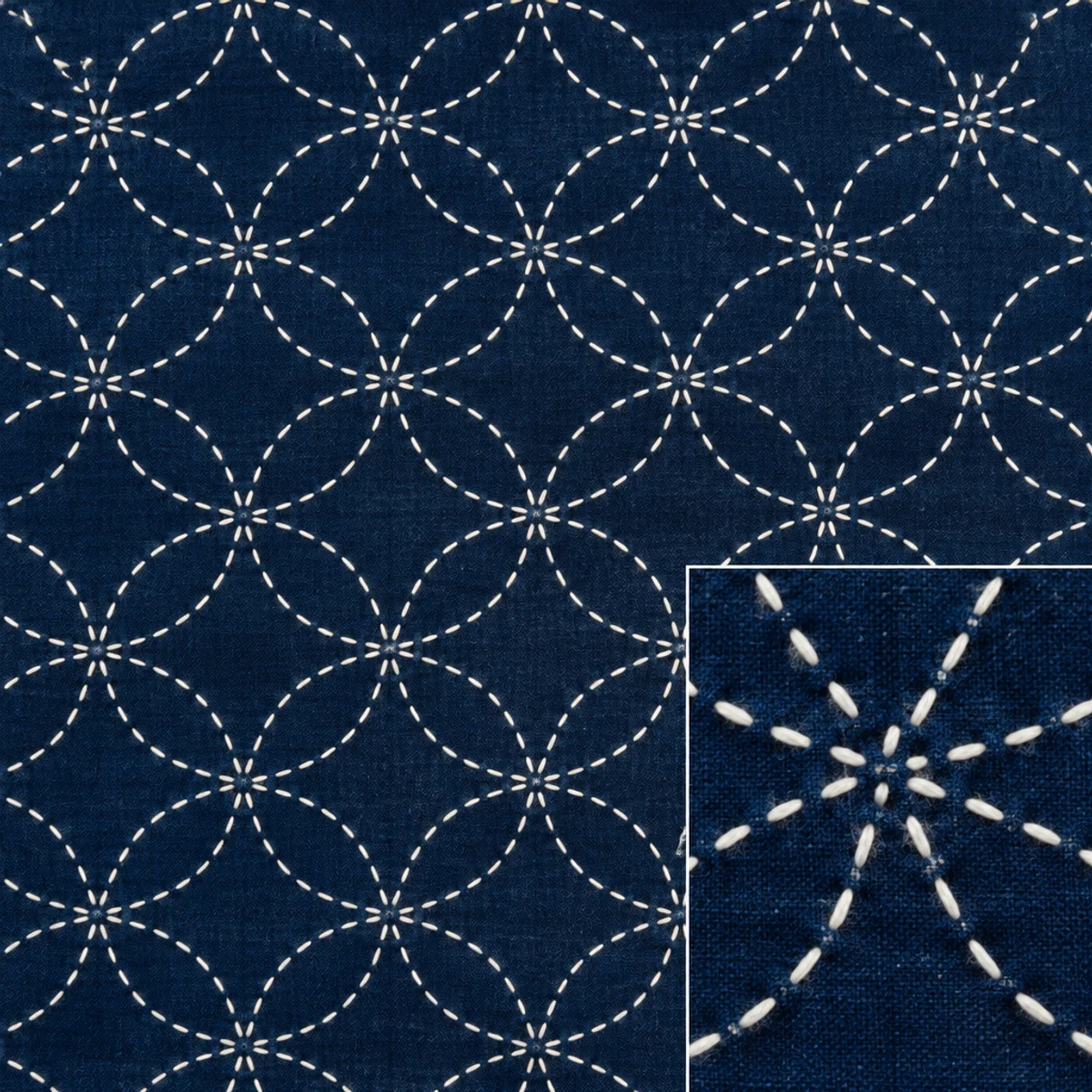
Textile surfaces
Japanese decorative stitching with visible running stitches, repeating geometric patterns, and strong light-thread-on-indigo contrast.

Silhouette & drape
1960s futuristic fashion with angular mini silhouettes, glossy synthetic materials, and astronaut-like accessories.
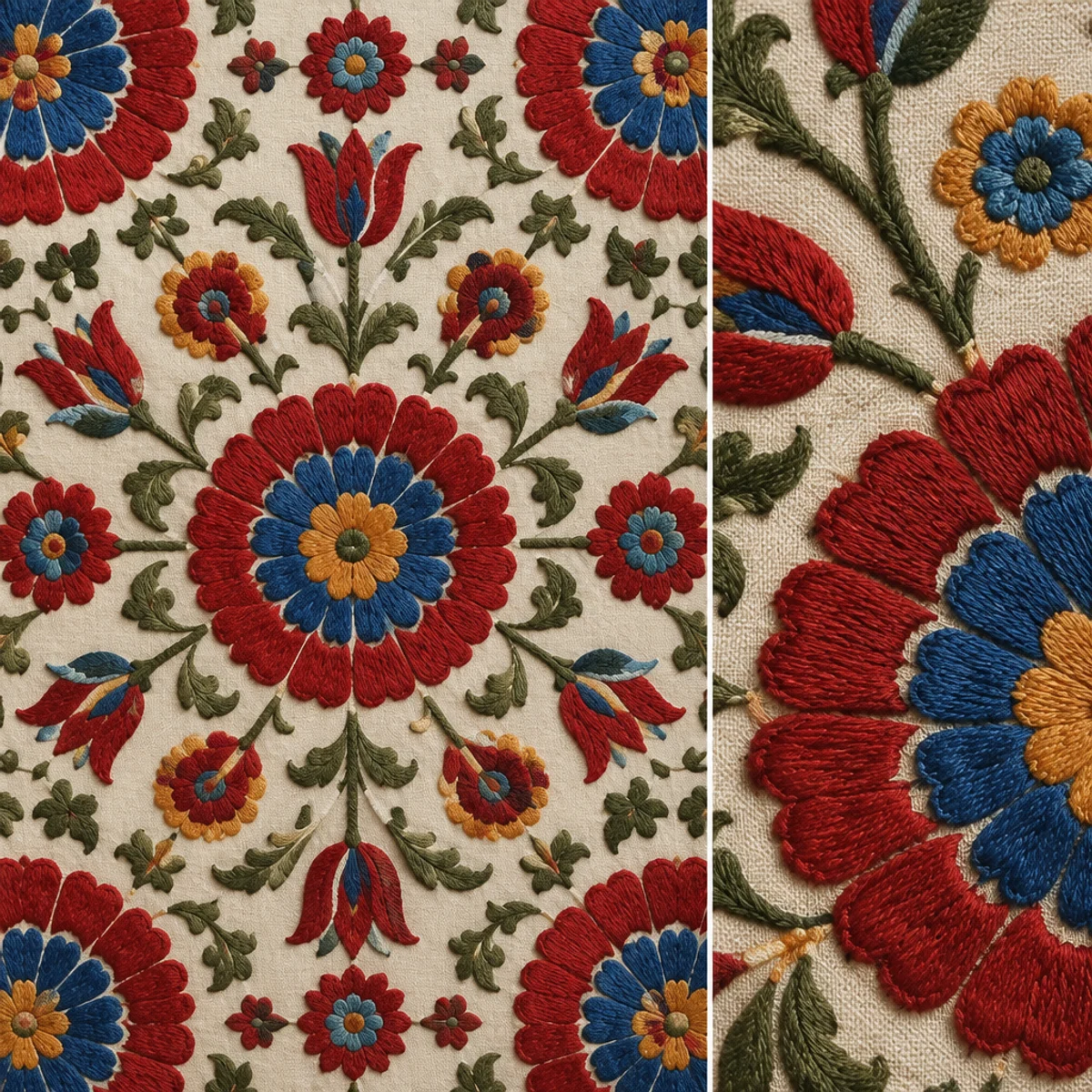
Textile surfaces
Central Asian embroidered textile with large floral medallions, radiating stems, and raised silk-thread stitching.
Bias-cut draping follows a diagonal relationship to the cloth grain. Fortuny-style pleating gives the surface a fine repeated structure. Arashi shibori uses resist-dyed directional marks; it is a textile treatment, not a garment cut.
Generated concepts do not establish usable sewing patterns, fit or tested fabric behavior.