
Rendering treatments
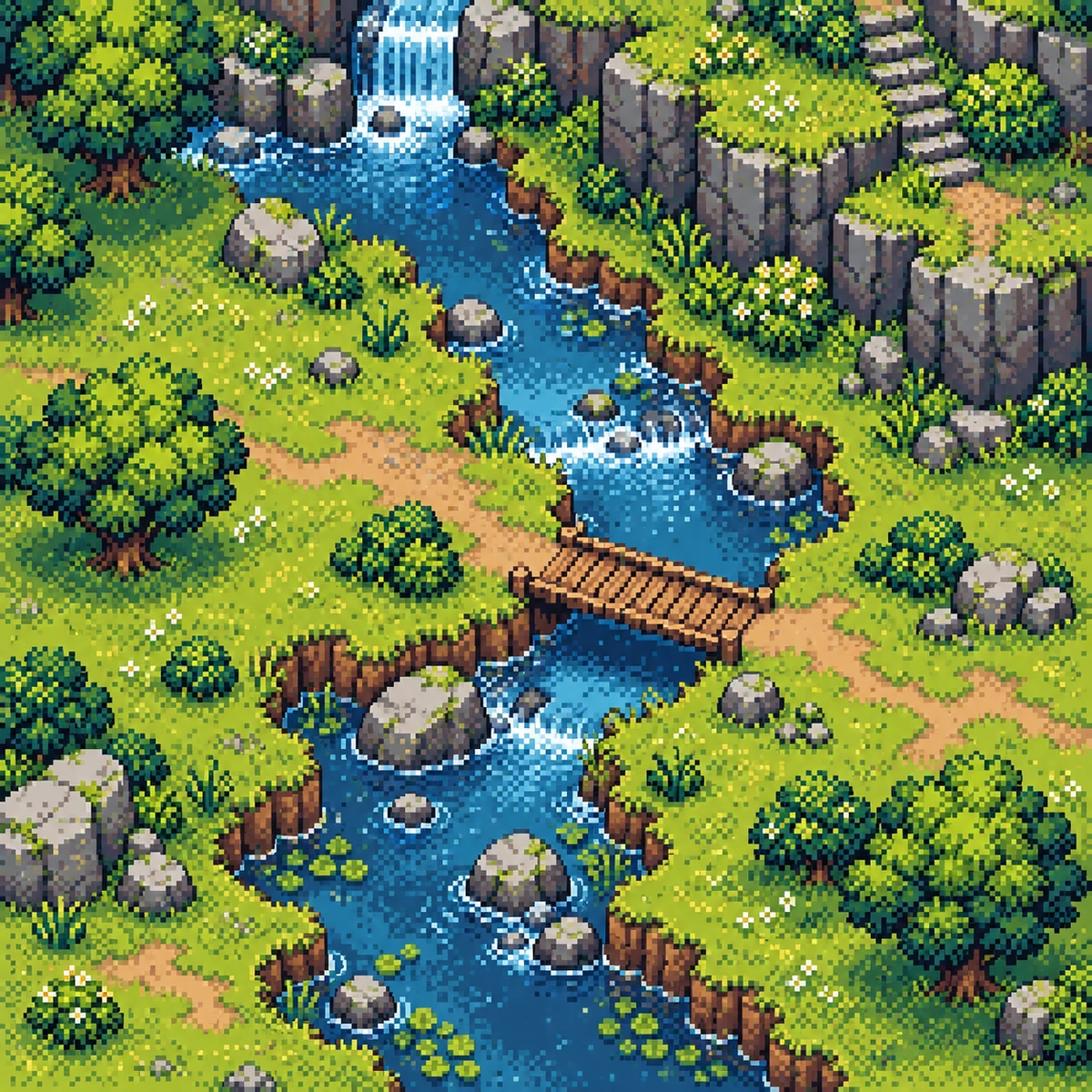
Pixel art
An overhead terrain study reveals discrete clusters and constrained detail.
Games & animation
Explore the marks, materials and lighting that could guide a character or environment.
10 visual directions · Generated examples
Rendering treatments
An overhead terrain study reveals discrete clusters and constrained detail.
Rendering treatments
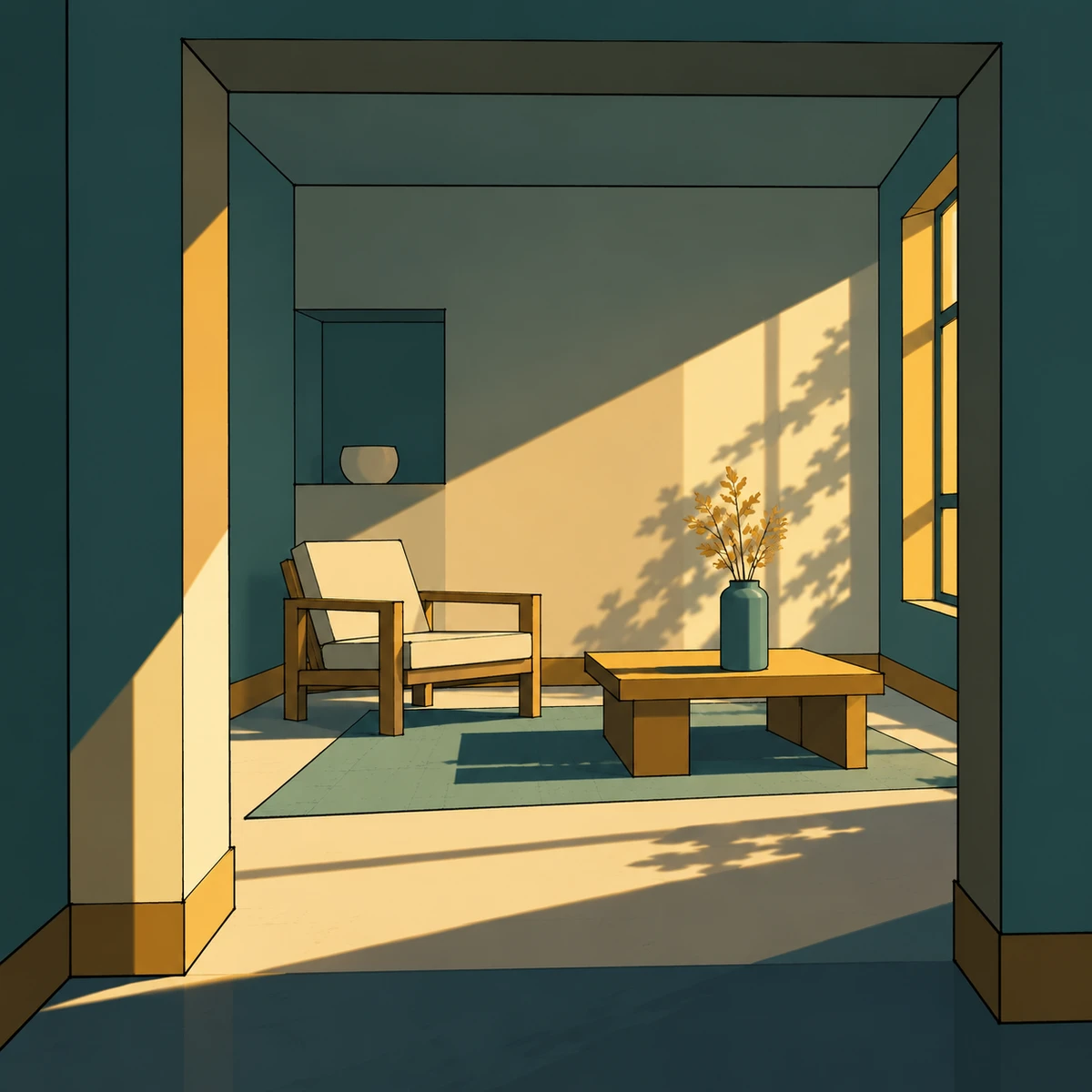
A doorway scene separates light and shadow into graphic tonal steps.
Tactile worlds
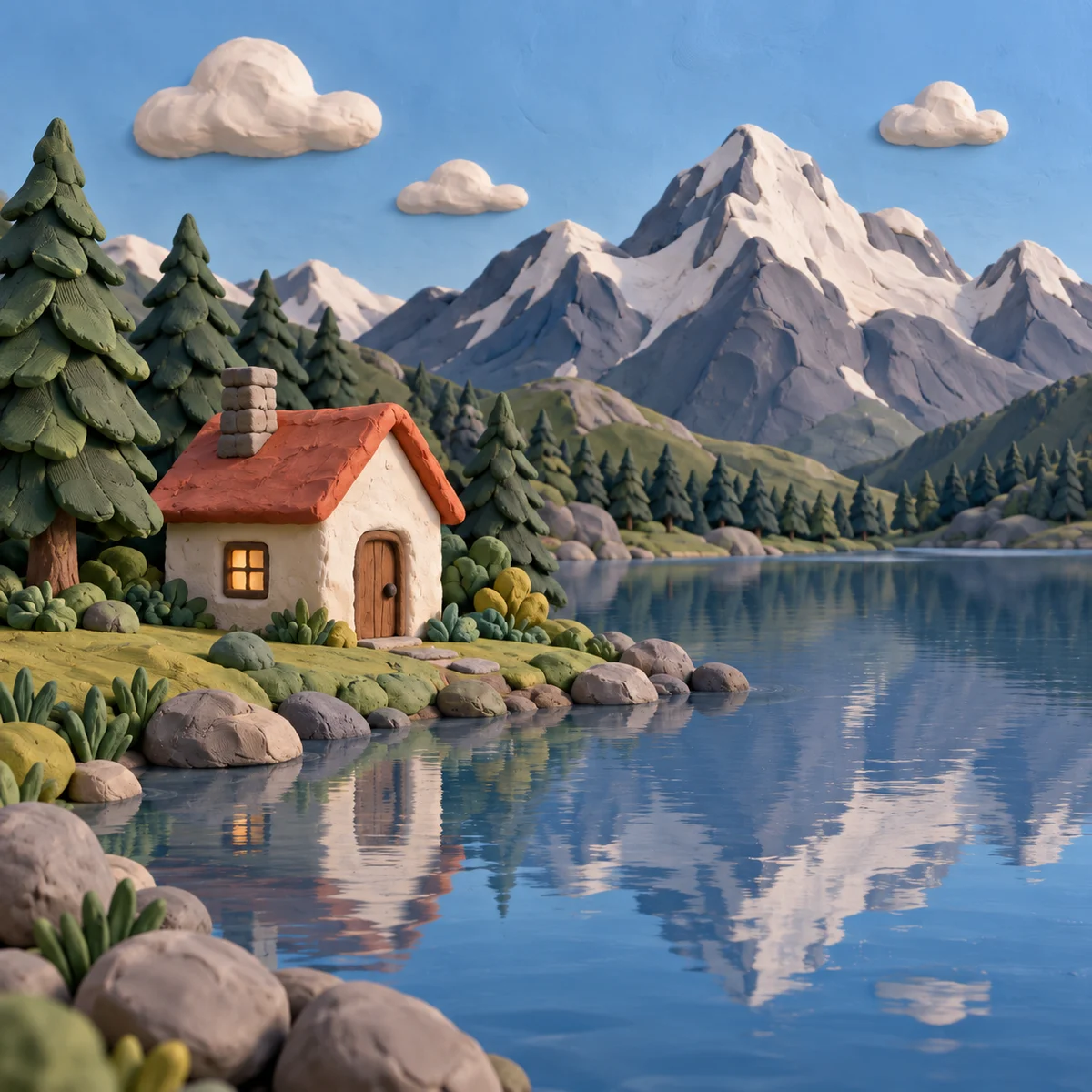
Rounded forms and worked clay-like surfaces give the scene a tactile character.
Rendering treatments
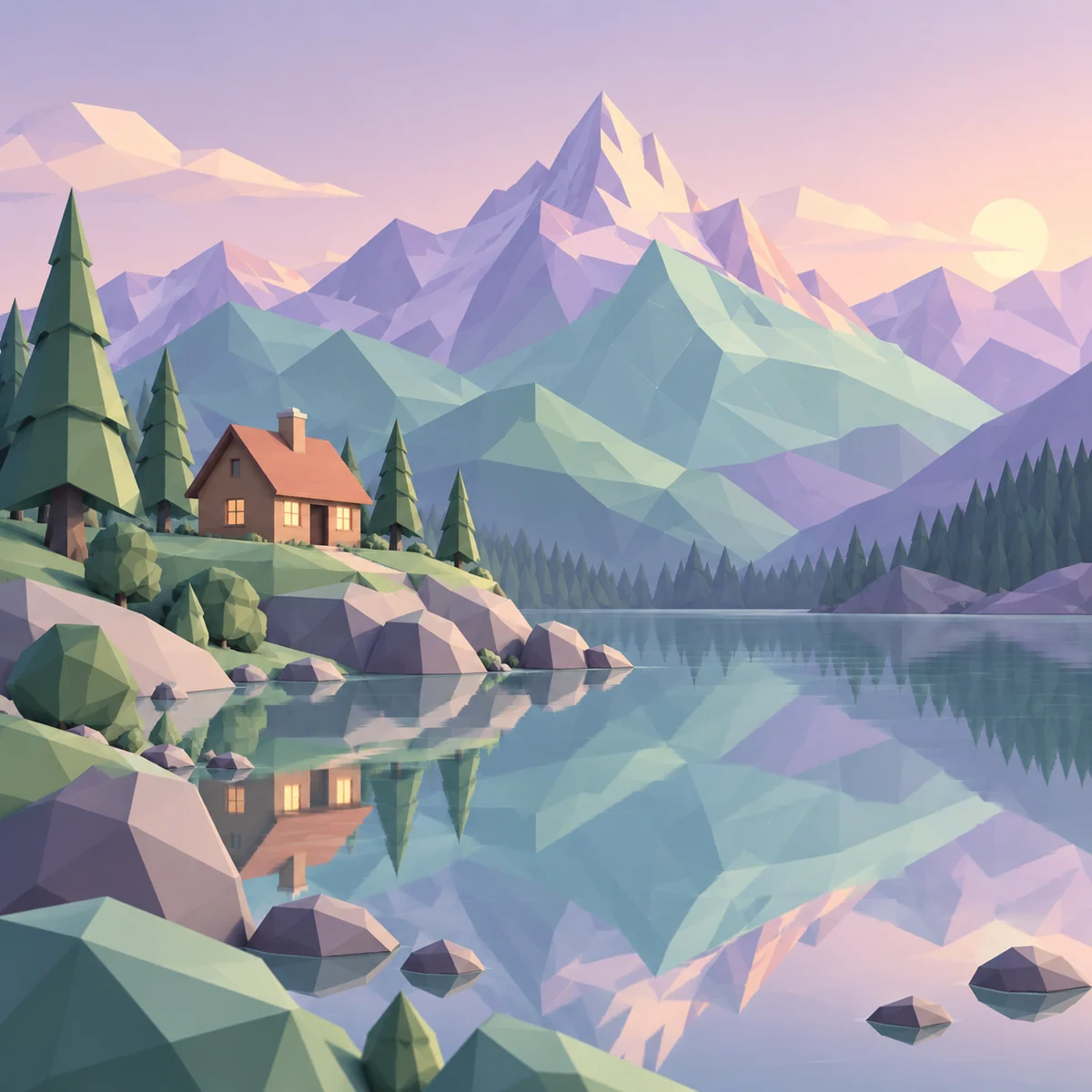
A little world made of simple shapes, crisp facets, and soft light.

Tactile worlds
Bold stripes and exaggerated sculptural shapes recast the circus-inspired FunHaus forecast as a playful miniature.

Tactile worlds
Fuzzy wool fibers and softly rounded forms turn the landscape into a tiny handmade felt world.

Character language
Bouncy curves, pie-cut eyes, and inky outlines animate an everyday scene with early-cartoon mischief.

Digital aesthetics
Pastel neon, retro computer geometry, and hazy gradients turn the landscape into a nostalgic digital daydream.
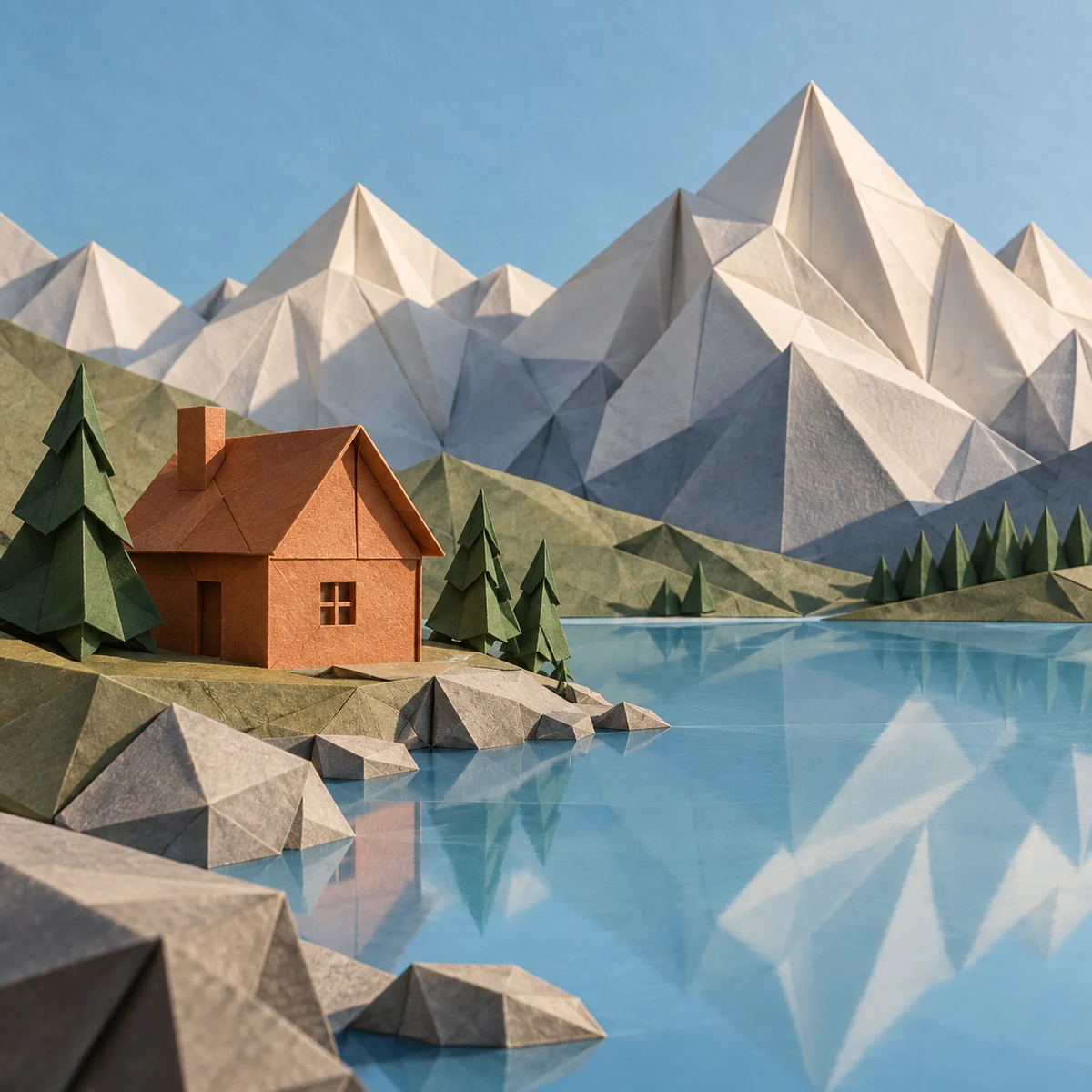
Tactile worlds
Folded paper planes, sharp creases, and crisp cast shadows build a small sculptural world.
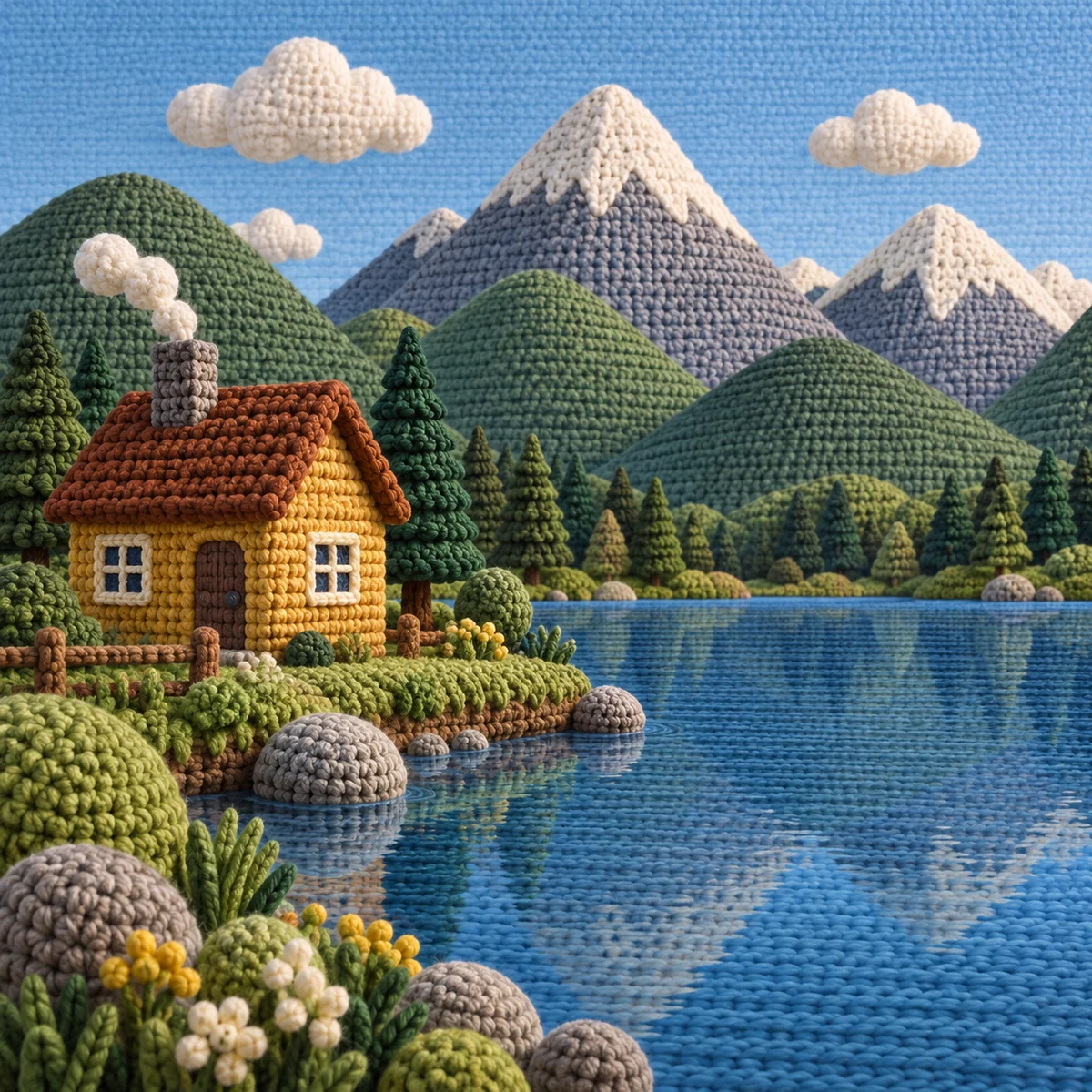
Tactile worlds
Chunky yarn loops and stitched seams give the entire scene a soft, handmade toy texture.
Pixel art builds form from discrete clusters. Cel shading separates light into bounded bands. Clay stop-motion references tangible modeled surfaces. Each treatment changes how detail, scale and material should be described.
Still-image visual development only; no working animation, shader or tested game assets.