
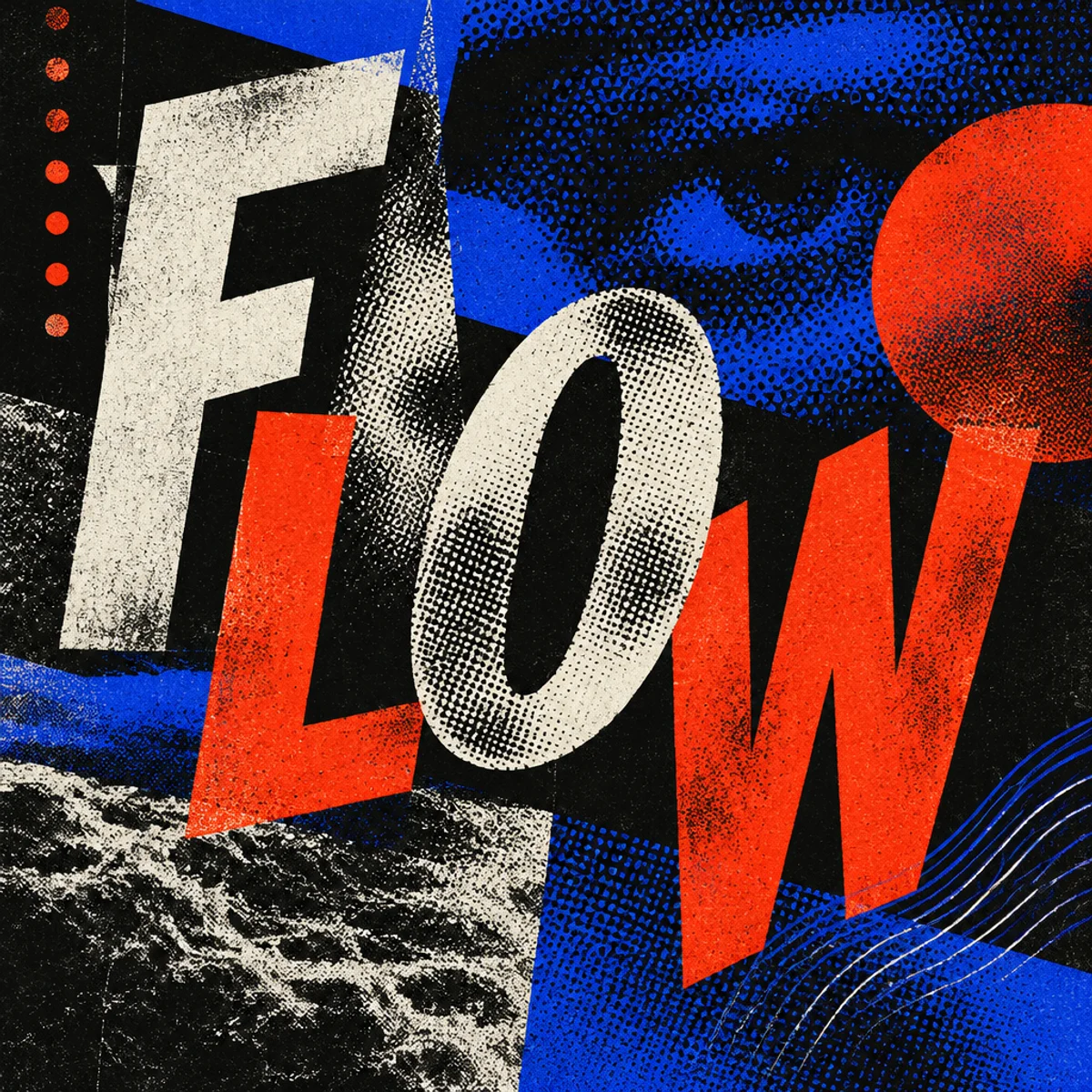
New Wave typography
New Wave typography loosens the grid with diagonal type, layered image-text collisions, and mixed mechanical textures for a restless postmodern page.
Make
New Wave typography treatment with disrupted typographic grids, layered halftone textures, and unstable spatial hierarchy.
A starting point: add your own subject or details in your image tool.
An original generated example of this visual direction.
Automated image review only; results vary by image tool.
Compare more directions
Explore other approaches for this kind of project.

Look closer: traits and nearby styles →
About this example
This image may have used extra directions. The seed above is a reusable starting point and may produce a different result.
- Created with
- OpenAI Image API
- Model
- gpt-image-2.5-flare
- Generated
- 2026-10-14
Original OpenAI API image selected from research plan new-wave-typography. Automated independent style review and visual review: Meets New Wave typography traits: disrupted grid, layered halftone textures, unstable hierarchy; square original image with no visible watermark or unintended text, and not a near-copy of the comparison samples. Exact and conservative perceptual duplicate checks passed against existing samples and this batch. Exported to 1200px and 640px WebP; source 1024px enlarged for full display. No human visual review.
How to use this promptRead as Markdown
Look closer at New Wave typography
New Wave typography loosens the grid with diagonal type, layered image-text collisions, and mixed mechanical textures for a restless postmodern page.
In the original generated example: An abstract poster with tilted type, layered textures, and a disrupted grid. Notice which details catch your eye before deciding whether the whole style is for you.
Explore across projects: Letters with personality
Ask yourself: is it the palette, the surface, the shapes, or the subject you like? Save a favorite and use the visual taste guide to find a useful next direction.