
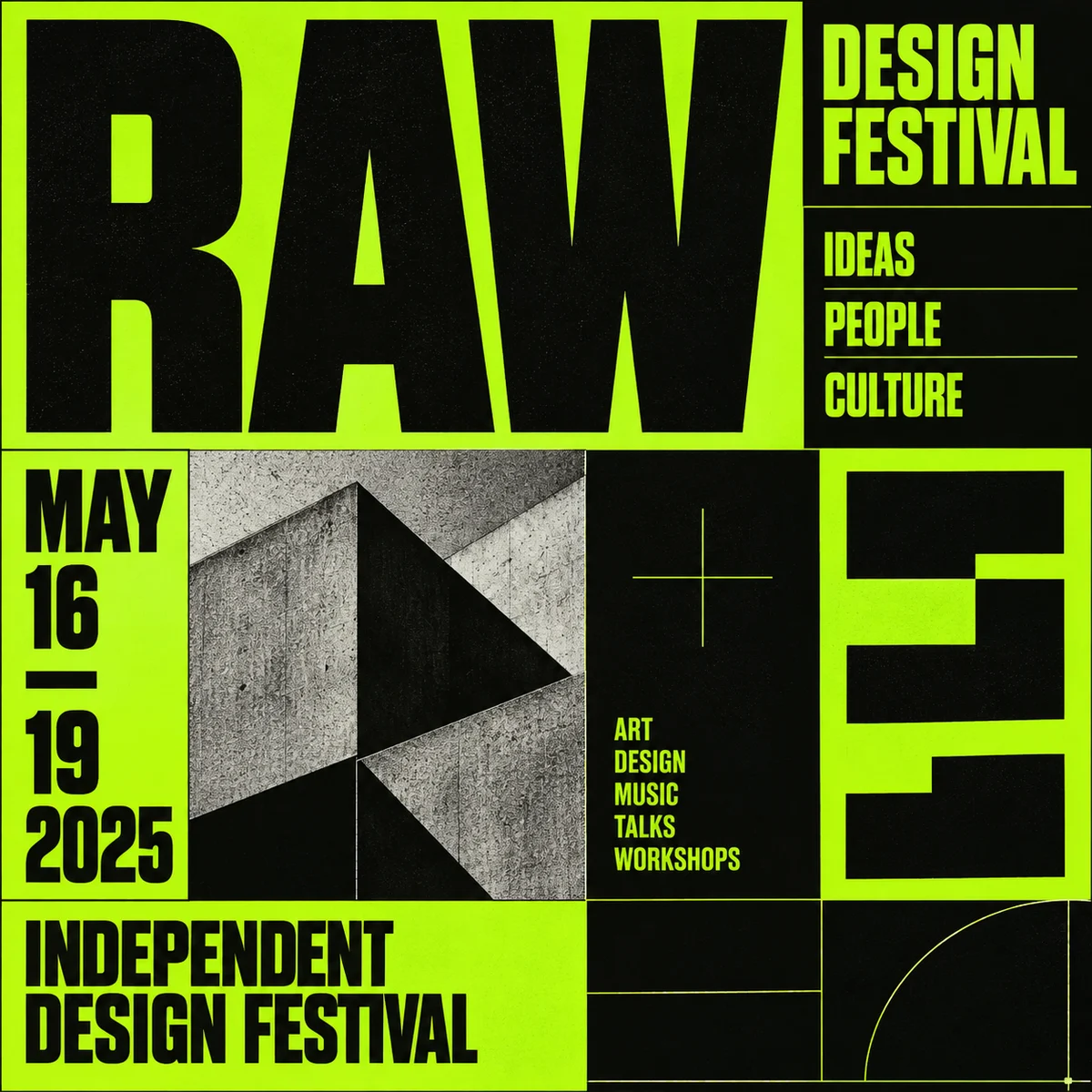
Neo-brutalist poster
Raw type, blunt boxes, and abrupt scale shifts create a deliberately confrontational layout.
Neo-brutalist poster with oversized utilitarian type, exposed alignment rules, blunt rectangular blocks, and stark lime-black contrast.
A starting point: add your own subject or details in your image tool.
About this aesthetic and its examples
Compare more directions
Explore other approaches for this kind of project.
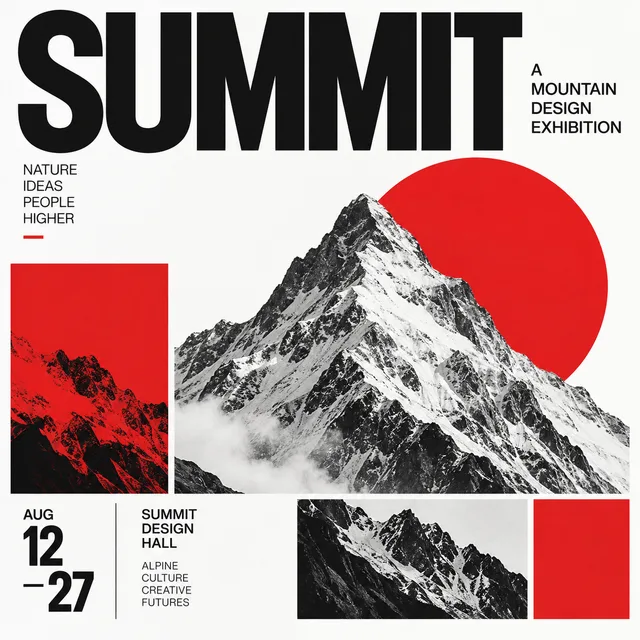
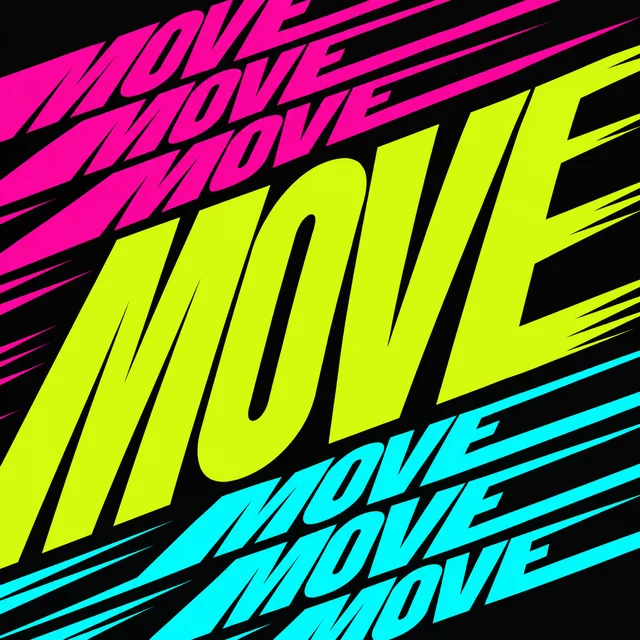
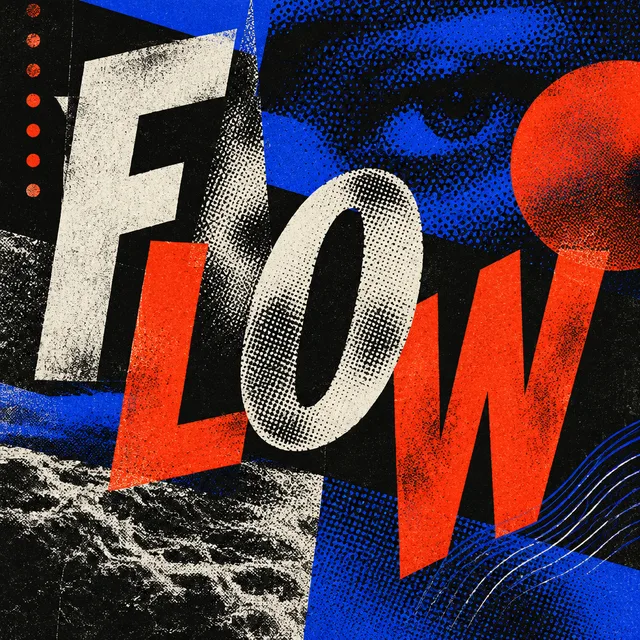
Look closer: traits and nearby styles →
About this example
This image may have used extra directions. The seed above is a reusable starting point and may produce a different result.
- Created with
- image_gen__imagegen
- Model
- Not exposed by tool
- Generated
- 2026-09-27
Original AI-generated design concept; exact image model identifier was not exposed. No reference inputs. Square center crop and WebP export at 1200px and 640px; no visual retouching. Fictional names and illustrative lettering.
How to use this promptRead as Markdown
What makes this a brutalist poster?
Oversized utilitarian type, blunt rectangular blocks and exposed alignment make the graphic structure immediately visible. Abrupt shifts in scale and strong contrast create a deliberately direct, sometimes confrontational hierarchy.
The first example is an event poster. The variation organizes a fictional fundraising message as a stepped typographic composition. Compare how blocks, spacing and type scale carry the message; a different subject or brighter color alone would not demonstrate another direction.
This is a graphic interpretation, separate from Brutalist architecture. The generated lettering and figures are part of a fictional example: proofread and verify any information before adapting an image for a real event.
Look closer at Neo-brutalist poster
Raw type, blunt boxes, and abrupt scale shifts create a deliberately confrontational layout.
In the original generated example: Oversized RAW lettering and blunt black boxes on a lime-green poster. Notice which details catch your eye before deciding whether the whole style is for you.
Explore across projects: Letters with personality
Ask yourself: is it the palette, the surface, the shapes, or the subject you like? Save a favorite and use the visual taste guide to find a useful next direction.