
Kumadori
Oshiguma-inspired impression study
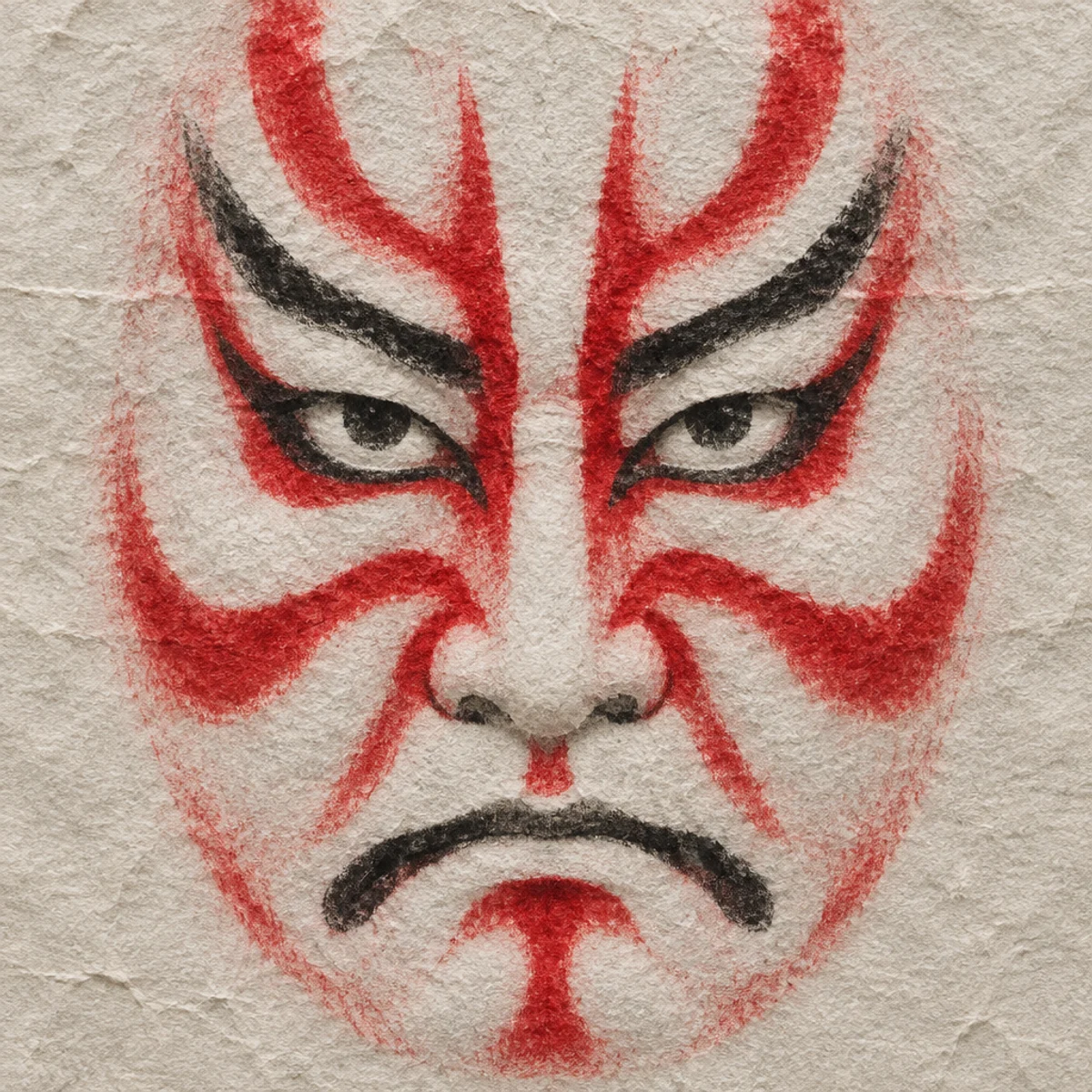
A generated oshiguma-inspired Kumadori study comparing red contour marks, black accents and textured paper with the performer example.
Make
Kumadori oshiguma study on paper: white foundation, bold red aragoto contour lines, black eye and mouth definition, softly finger-blended edges, visible press-transfer texture, near life-size frontal mask-like composition.
This keeps kumadori’s recognizable white base, red contour anatomy, and black feature accents, but shifts the composition into an oshiguma-like pressed-imprint panel. The visible change is archival and tactile: a flatter, transfer-based face with pressure texture rather than a straightforward live-performance portrait.
A starting point: add your own subject or details in your image tool.
Another original example of the same style seed.
An AI-generated oshiguma-inspired interpretation, not an authentic impression taken from a performer’s makeup or a documented historical theatre artifact. Assistant review only.
About this aesthetic and its examples
Compare more directions
Explore other approaches for this kind of project.
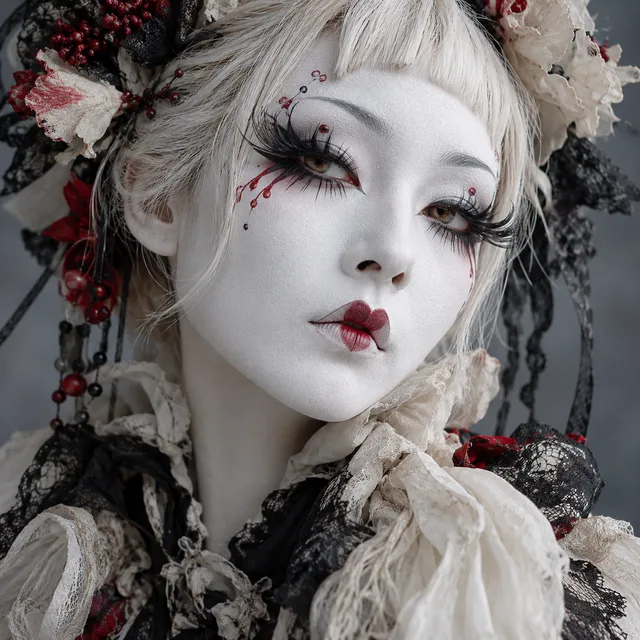
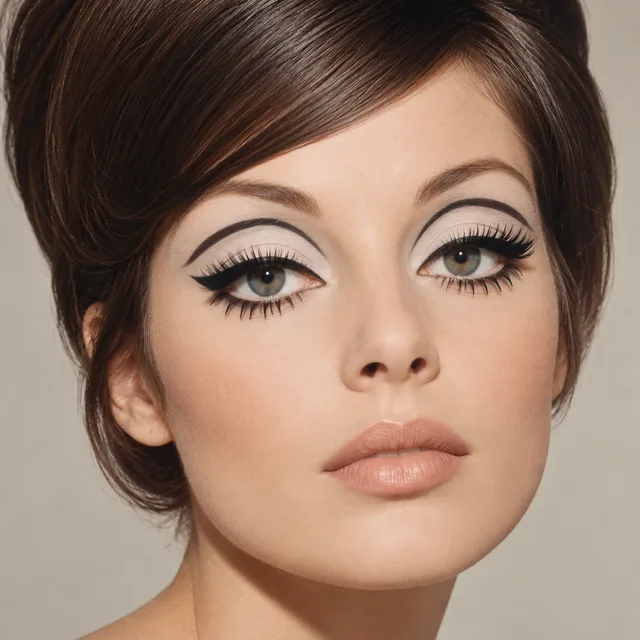
Look closer: traits and nearby styles →
About this example
This image may have used extra directions. The seed above is a reusable starting point and may produce a different result.
- Created with
- OpenAI Image API
- Model
- gpt-image-2.5-flare
- Generated
- 2026-10-17
Original variation selected from research plan variation-kumadori-exploration-1. Independent automated style and image review: The first image keeps the kumadori visual language—white face, red contour anatomy, black eye/mouth punctuation—but changes the result into a centered oshiguma-style pressed impression rather than a live stage portrait. The frontal mask-like symmetry, near life-size cropped head, softened pressure-blended edges, and visible paper-fiber/grain and imprint texture visibly realize the requested niche as an archival print-imprint panel or wall study. Compared with the sibling images, it is clearly not a generic subject swap or simple recolor: the Suprematism image abandons figuration entirely, and the maiolica image is a ceramic landscape vessel, not a kabuki make-up impression. Thus the variation is a meaningful, style-retaining, niche-specific transformation with distinct composition and material treatment. Exact/perceptual checks passed. 1024px source enlarged to 1200px WebP; no human visual review.
How to use this promptRead as Markdown
Makeup and its impression
Kumadori is a Kabuki makeup language in which colored lines emphasize facial contours. This entry explores red contour lines over a white base with dark eye and mouth definition; it is an illustrative study rather than instruction for a documented role-specific design.
An oshiguma preserves an impression of a performer’s makeup on a support such as cloth. The variation is a generated, oshiguma-inspired image. It was not made by pressing a real performer’s face onto cloth or paper, and it is not an authentic historical theatre artifact.
Compare the live-performer interpretation with the flatter, textured impression study to see how the same contour language changes when its presentation changes.
Learn more: Birmingham Museum of Art: an oshiguma facial impression
Look closer at Kumadori
Kabuki's expressive makeup exaggerates facial muscle contours with bold coloured lines and softened edges; red kumadori is associated with courageous, forceful aragoto roles.
In the original generated example: A fictional adult stage performer with red kumadori contour lines over white foundation, dark eye definition, and softened painted edges. Notice which details catch your eye before deciding whether the whole style is for you.
Ask yourself: is it the palette, the surface, the shapes, or the subject you like? Save a favorite and use the visual taste guide to find a useful next direction.