
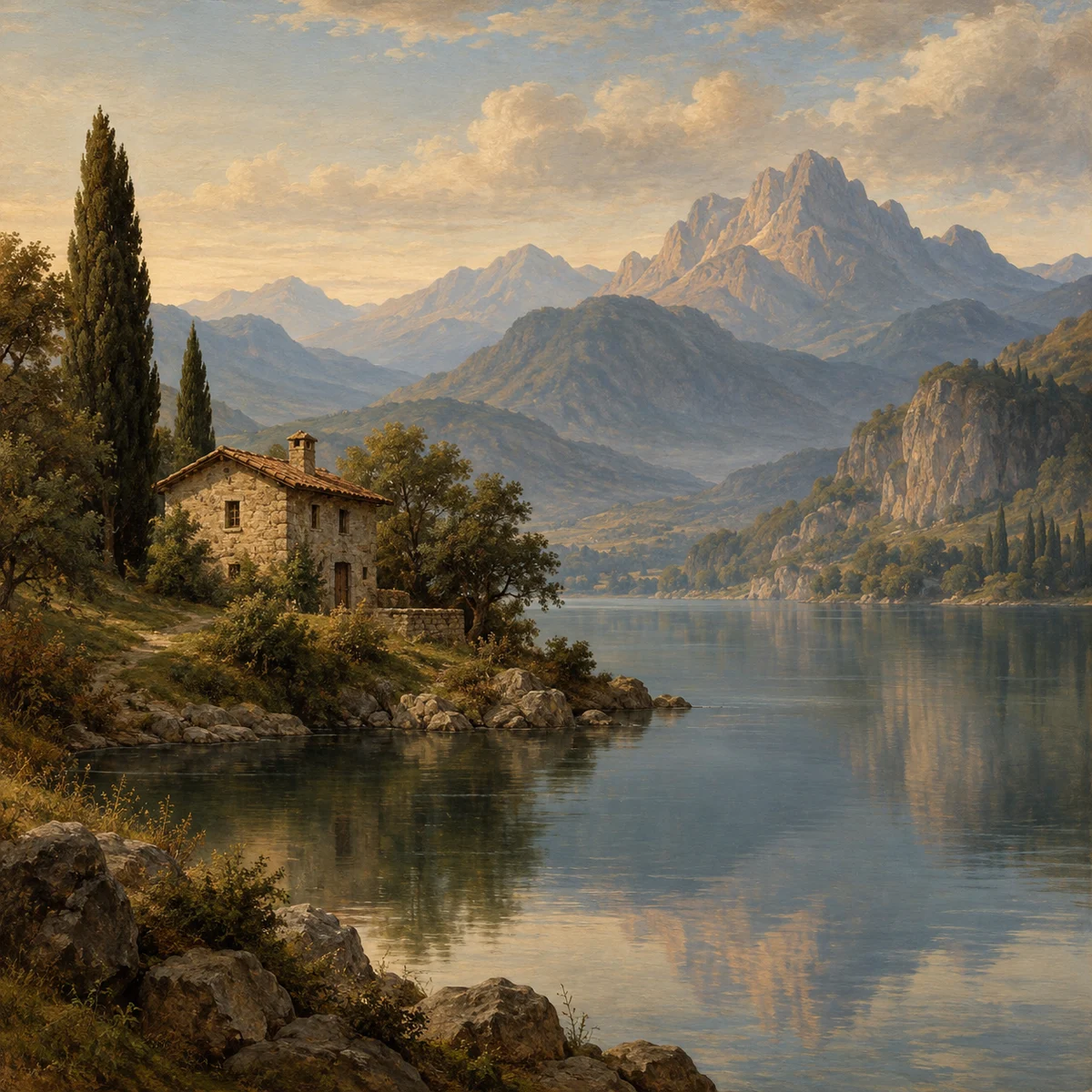
Renaissance oil painting
Balanced composition, softly modeled forms, and distant blue haze give this oil-painting interpretation a quiet, classical depth.
Renaissance-inspired oil painting with balanced composition, smoothly modeled forms, fine glazing, and distant atmospheric perspective in restrained earth tones.
A starting point: add your own subject or details in your image tool.
About this aesthetic and its examples
Compare more directions
Explore other approaches for this kind of project.
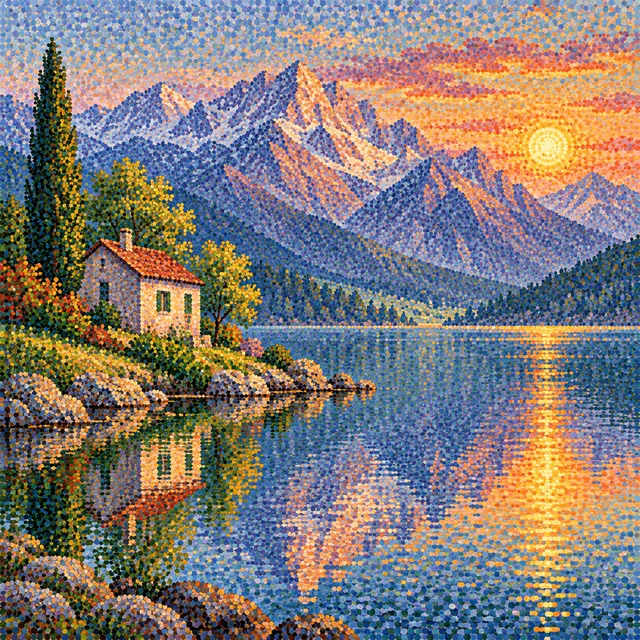
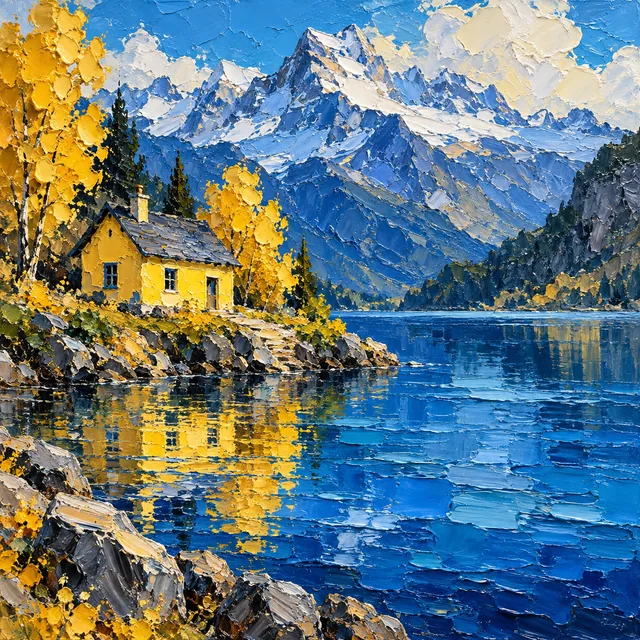
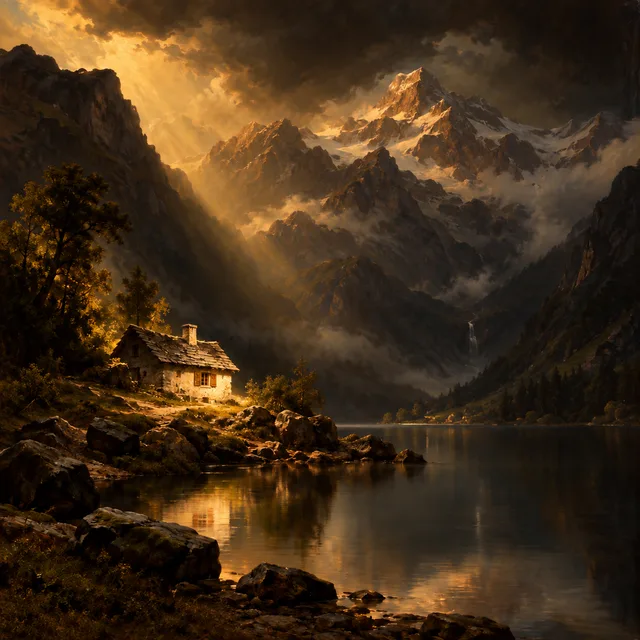
Look closer: traits and nearby styles →
About this example
This image may have used extra directions. The seed above is a reusable starting point and may produce a different result.
- Created with
- Codex image generation
- Model
- Not exposed by tool
- Generated
- 2026-09-26
Original AI-generated style interpretation. Exact model identifier was not exposed. Resized to square WebP at 1200px and 640px; no visual retouching.
How to use this promptRead as Markdown
Modeled forms and atmospheric distance
Smooth light-to-shadow transitions give the forms volume, while cooler, softer distant areas establish depth. The balanced arrangement supports a quiet spatial reading. The loggia variation brings a column and urn into the foreground, with figures and hills receding through the architecture.
Renaissance painting spans many schools and techniques. These traits describe this generated interpretation; they are not a universal formula for the period, nor evidence of a physically glazed oil painting.
Look closer at Renaissance oil painting
Balanced composition, softly modeled forms, and distant blue haze give this oil-painting interpretation a quiet, classical depth.
In the original generated example: A stone house beside a reflective lake, with cypress trees and distant blue mountains softly modeled in warm oil-painting tones. Notice which details catch your eye before deciding whether the whole style is for you.
Explore across projects: A little time travel · Chasing the light
Ask yourself: is it the palette, the surface, the shapes, or the subject you like? Save a favorite and use the visual taste guide to find a useful next direction.